
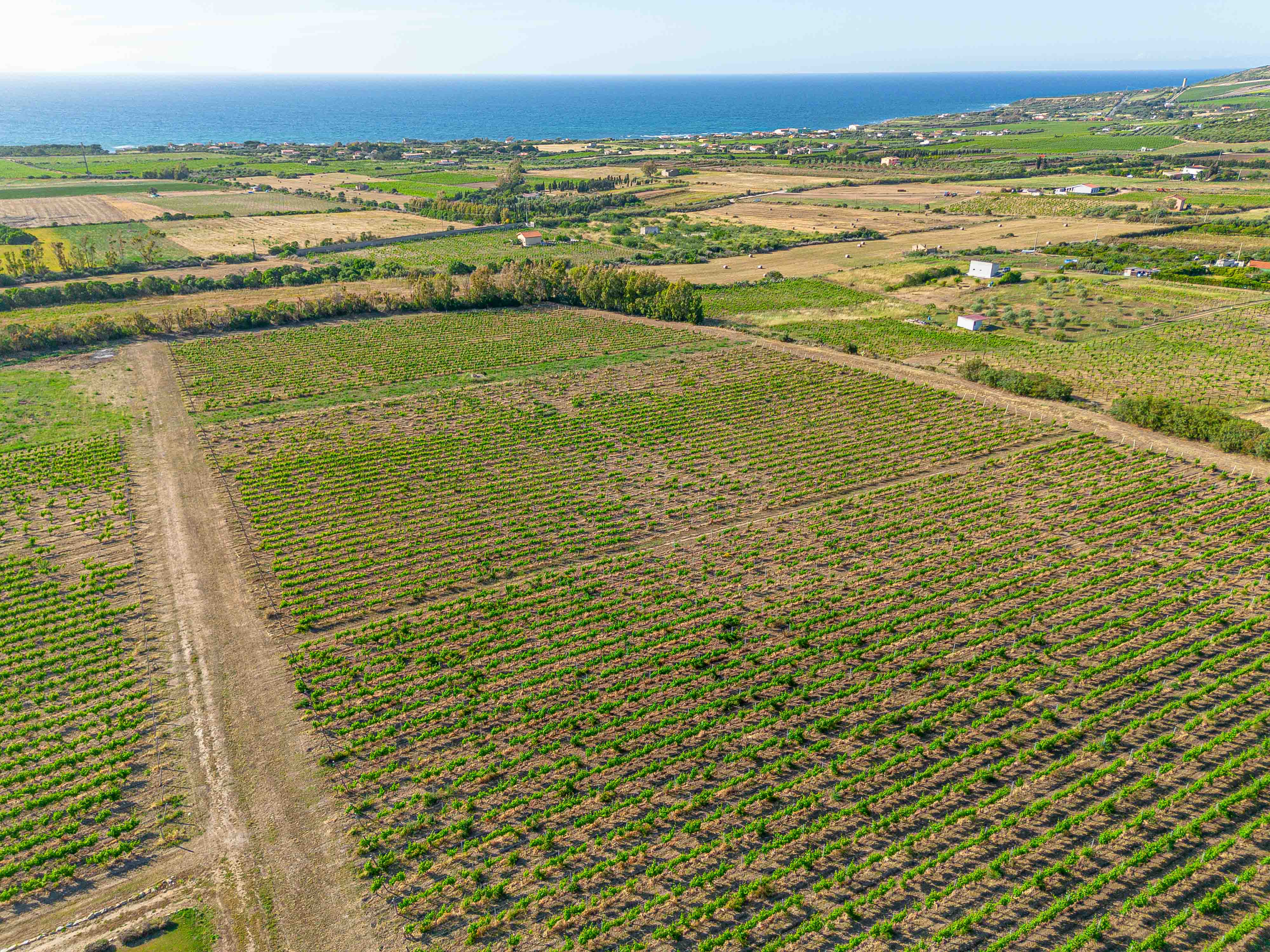
Most people picture Sardinia in a single season: high summer, a crowded beach, a sun that doesn't let up. That version is real, and it's the busiest and most expensive way to see the island. It's also, for a lot of what makes northern Sardinia worth the trip, not the best.
The north-west — Alghero, the Nurra, the coast toward Bosa and Stintino — has a long, generous season that stretches well beyond August, and a couple of shoulder months that regulars quietly consider the real peak. This is a month-by-month guide to when to come, what the weather actually does, and which version of Sardinia you'll get depending on the calendar.
If you want to swim, come between June and September. If you want warm days, good food, wine and far fewer people, come in May, late September or October. If you want the island almost to yourself and don't mind some rain, the winter months have their own quiet appeal. Northern Sardinia has a Mediterranean climate — mild, relatively rainy winters and hot, dry, sunny summers — cooled year-round by the mistral, the north-westerly wind that defines this coast.
Now the detail.
Spring is when the island turns green and the interior blooms. March is still cool and can be wet, with sea temperatures at their lowest — this is not a swimming month, but it's a beautiful one for walking, archaeology and empty landscapes.
April warms noticeably. The countryside is at its most vivid, prices are low, and the towns are calm. The sea is still cold for most, but the light and the quiet are the reward.
May is one of the best-kept secrets of the region. Warm, dry days, long hours of sun, hillsides still green, and a fraction of the summer crowds. The sea is beginning to be swimmable for the hardy by late in the month. For everything except a guaranteed beach holiday, May is arguably the finest time to come.
This is peak season, and it delivers exactly what it promises: hot, dry, sunny days and warm, swimmable water.
June is the sweet spot within summer — the sea has warmed up, the heat hasn't yet peaked, and the biggest crowds haven't fully arrived. July and August are the hottest and driest months, with daytime highs regularly around 30°C and sea temperatures climbing toward their late-August peak of roughly 24–25°C. Rain is almost non-existent; July is the driest month of the year.
The trade-offs are equally predictable: this is the most crowded and most expensive window, the coastal roads and beaches are busy, and the midday heat is genuine. If summer is your only option, plan the active parts of the day — vineyards, old towns, walks — for the morning and late afternoon, and treat the middle of the day the way locals do.
For many who know the region, this is the peak that isn't on the poster.
September is close to ideal. The sea is at its warmest of the entire year after a summer of heating, the fierce edge is off the daytime heat, and the crowds thin out sharply once the first week or two have passed. The first spells of unsettled weather can appear, especially later in the month, but the first half of September in particular is hard to beat.
October keeps much of that going. Days are warm rather than hot, typically in the low twenties easing toward the mid-teens by month's end, and there are still plenty of dry, bright days for exploring — though rainfall increases and the wettest part of the year is approaching. The sea stays swimmable for many well into the month. It's a wonderful time for food, wine and quiet towns.
Early autumn also brings something summer doesn't: the grape harvest. The vineyards are working, the landscape smells of fermentation, and there's an energy in the wine country that you simply can't feel in July.
November is the wettest month of the year here, and the season turns genuinely quiet. From December to February winters are mild by northern-European standards — sunny spells alternating with rainy ones, daytime highs often around 14°C, cold nights, and a sea too cold for swimming.
This is not a beach trip. It is, however, a real and underrated way to see the region: almost no tourists, low prices, dramatic skies and wind, warm interiors, and towns that belong to the people who live in them. For culture, food, walking and atmosphere — and for travellers who actively dislike crowds — winter has a stark appeal. Just come prepared for some rain and for the mistral to blow.
Choosing your month
Best for swimming: June to September (warmest sea in August–September)Best all-rounder: May, September, early October — warm, dry, uncrowdedBest for harvest and wine: September into OctoberBest for solitude and low prices: November to February (expect rain)Busiest and priciest: July and AugustWettest month: NovemberDriest, sunniest month: July
If there's one takeaway, it's this: don't let the calendar talk you into August by default. The northern coast is at its most rewarding in the shoulder months, when the weather is still generous, the food and wine are at their best, the towns breathe again, and the vineyards are either in bloom or in harvest. Come in May or September, and you'll see a version of Sardinia that the peak-season crowds never do.
That's the one worth planning around.
We'll take you to discover producers and wineries. Private transfer included.
Discover our experiencesFor an all-round trip, May, September and early October are hard to beat — warm, dry and far less crowded than midsummer. For a dedicated beach holiday, June to September offers the warmest sea.
Sea temperatures peak in late August and September, reaching roughly 24–25°C after a full summer of warming. Swimming is comfortable for most from June through into October.
Yes. Spring and early autumn offer warm days, low prices and few crowds, and early autumn adds the grape harvest. Even winter has an appeal for travellers who want quiet towns and dramatic coastline, though it's too cold and wet for the beach.
The harvest generally falls in late summer and early autumn, roughly from late August into September and October depending on the grape and the year. Visiting during this time means seeing the vineyards at their most active.
Mild but variable. Daytime highs are often around 14°C, with sunny periods alternating with rain, cold nights and the mistral wind. November is the wettest month. The sea is too cold for swimming.
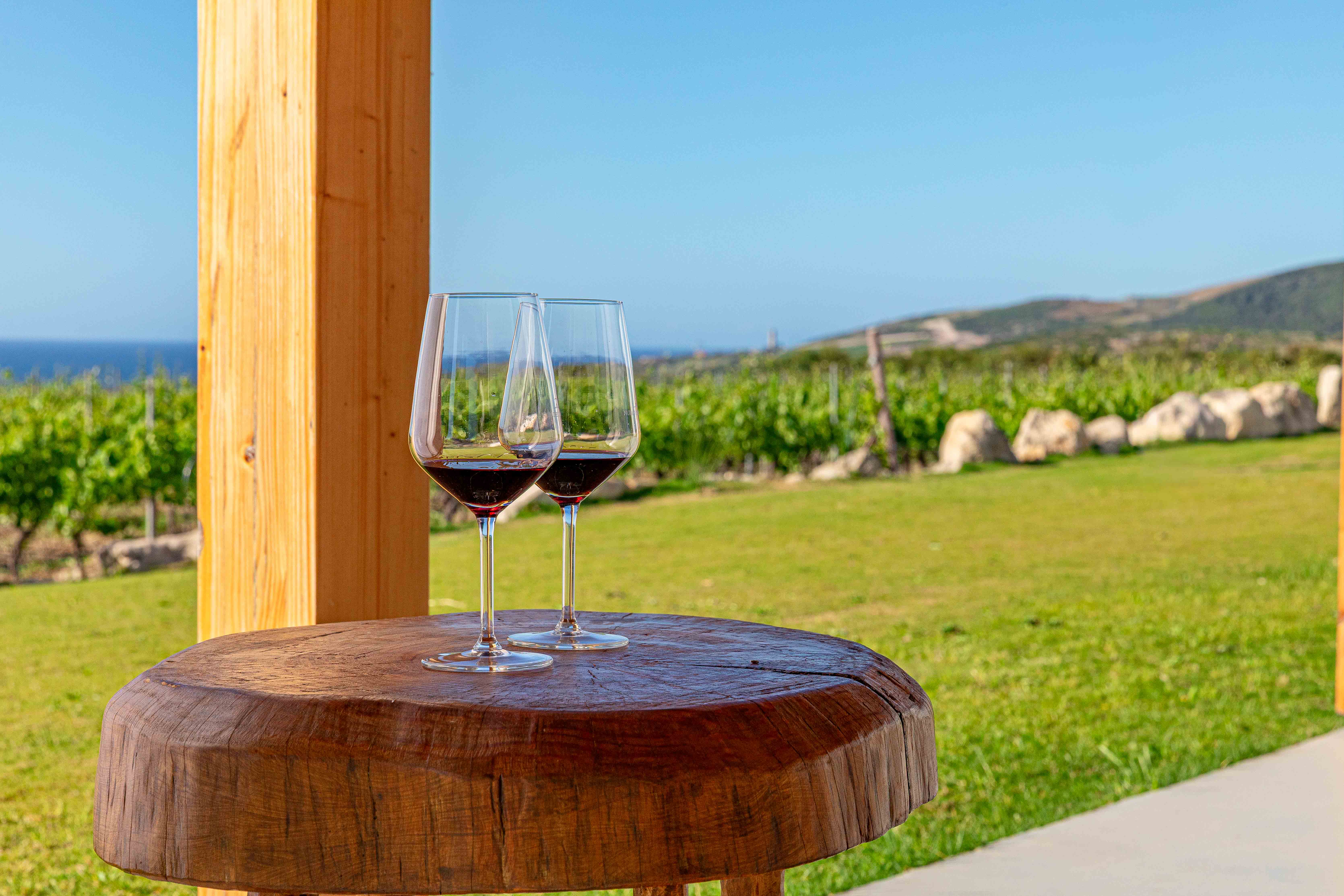
No signposted routes, no walk-ins: wine tasting in Sardinia works differently. How to book it, what to expect, and the problem nobody plans for.
Read the article→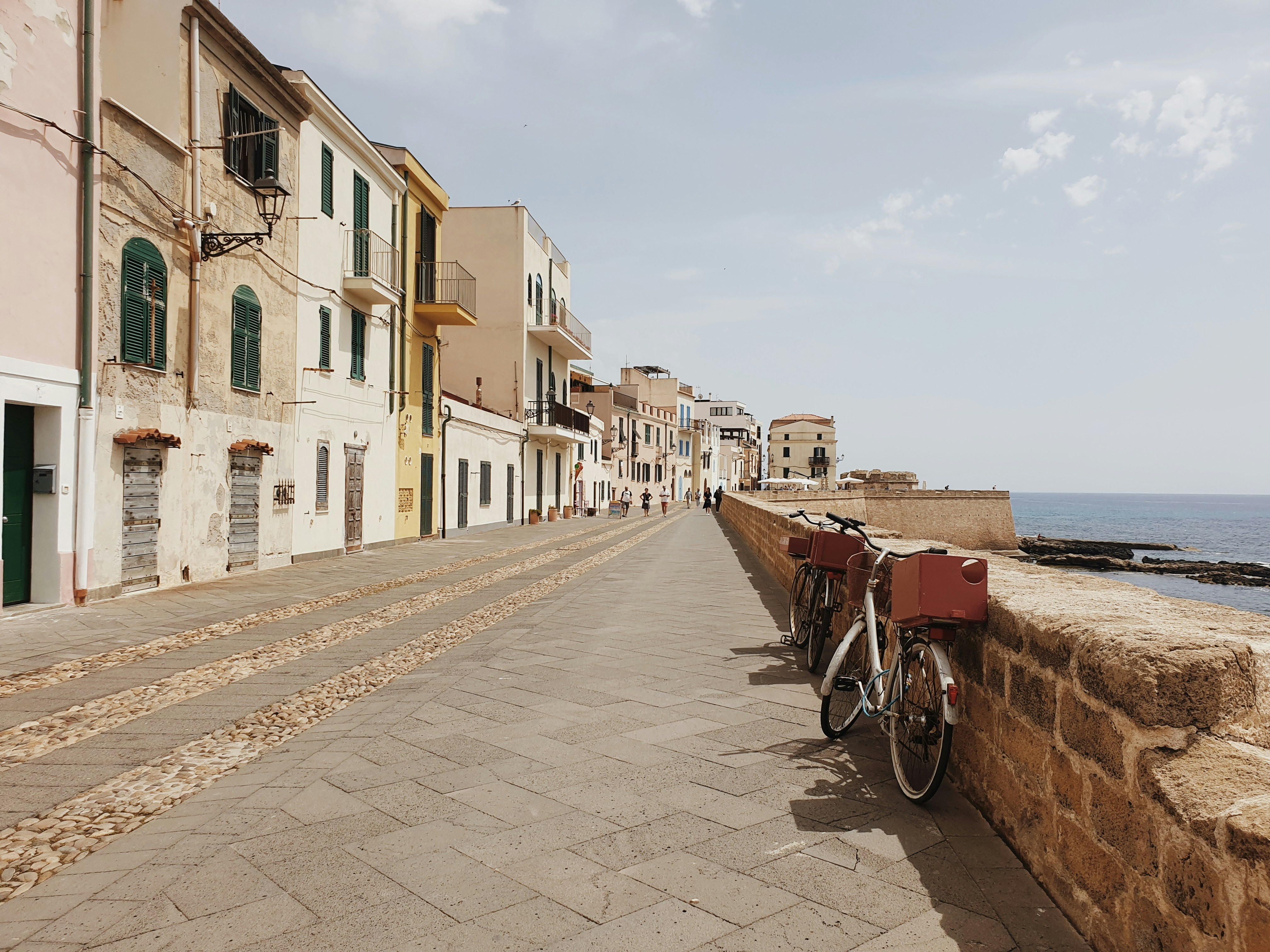
A Catalan old town, Bronze Age towers, sea caves and wine country, all within forty minutes.
Read the article→We take you directly to the producers, with private transfer included and in small groups.
© 2026 Henosis. Tutti i diritti riservati.
Henosis