
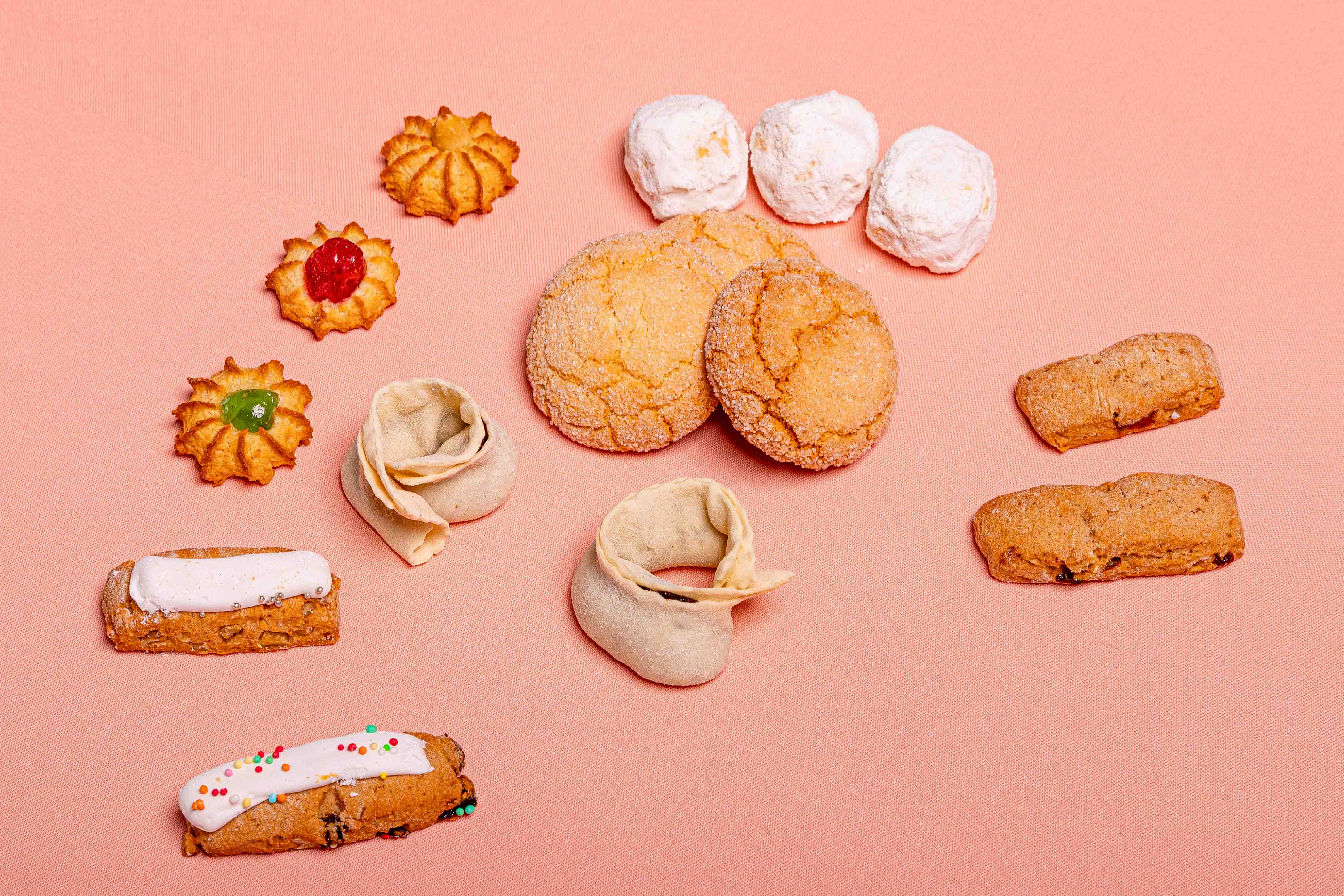
You can read all you like about Alghero's Catalan history, but the fastest way to understand this city is to sit down and eat. The food here isn't quite Sardinian and isn't quite Spanish — it's Algherese, the product of six centuries in which a Catalan colony on a Sardinian coast slowly built a cuisine of its own. Lobster dressed the way they do it in Catalonia, sea urchins pulled from the bay that morning, a fried pastry stuffed with sheep's cheese and drowned in honey.
Here are ten dishes that tell that story, what each one actually is, and — because this is wine country — what to drink alongside it. Work your way through even half of them and you'll have tasted the city properly.
The signature dish of Alghero, and the one that most clearly carries the city's Spanish soul. Mediterranean lobster, caught in local waters, is boiled and served cold over a bed of sliced tomatoes and sweet onion, dressed simply with olive oil, lemon, salt and pepper. That's it — the whole point is to let the sweetness of the lobster shine, not bury it. It's a summer dish, at its best when the lobster is local and fresh, and it's the reason Alghero earned the nickname Barceloneta, "little Barcelona."Drink it with: a cold, structured white — Vermentino, or the local Torbato.
Bottarga — salted, pressed and dried grey mullet roe — is Sardinia's "sea gold," and the simplest way to eat it is also the best: grated generously over spaghetti dressed with good olive oil, garlic and a little of the pasta water so it emulsifies into a savoury, briny coating. Intense, salty, faintly bitter, unforgettable.Drink it with: high-acid white wine is essential here — Vermentino's acidity and almond finish are made for it.
Proof that the Catalan connection runs deep. Alghero has its own paella, but the most distinctive local version is really a fideuà: the rice is swapped for fregola, the toasted Sardinian semolina pasta. Cooked with fresh shellfish — mussels, prawns, squid — plus tomato, garlic, onion and parsley, it's lighter and more Mediterranean than its Spanish cousin, and on special occasions it's enriched with lobster.Drink it with: a fresh Vermentino, or a dry rosé in summer.
Fregola deserves its own entry. These little toasted semolina spheres — somewhere between couscous and tiny pasta — are wholly Sardinian, and they soak up a shellfish broth beautifully. Cooked with clams, mussels and the sweet local prawns, fregola ai frutti di mare has the texture and depth of a risotto but a character entirely its own.Drink it with: Vermentino, whose texture matches the dish without flattening it.
The local fisherman's stew, and another dish whose very name — cassola de peix — betrays its Catalan roots. A generous soup built from the day's mixed catch, cooked with tomato and simmered into something rich and warming. It varies with the season and the boat, which is exactly the point: no two are the same.Drink it with: a structured white with enough body to stand up to the tomato and fish.
In season, sea urchins are an Alghero ritual. Split open and eaten raw with nothing more than bread, they're sweet, briny and almost impossibly delicate — the pure taste of the bay. Traditionally a cold-months treat. (Check the current regional season before seeking them out — harvesting is regulated to protect stocks.)Drink it with: a young, cold Vermentino, which keeps them clean and bright.
Sometimes the best thing to eat on a fishing coast is the simplest. Whole fish — sea bream, sea bass, whatever came in that morning — grilled and dressed with little more than oil, lemon and herbs. It's a dish that lives or dies on freshness, and in Alghero the freshness is a given.Drink it with: Vermentino or Torbato — clean whites for clean fish.
Not a dish so much as the foundation of every Sardinian table. Pane carasau — the thin, crisp shepherd's flatbread, sometimes called carta da musica for its papery sheets — arrives with slices of sheep's-milk pecorino as an antipasto or alongside a glass of wine. It's the taste of the Sardinian interior meeting the Algherese coast, and it's usually where a good meal begins.Drink it with: whatever you're already drinking — it's the perfect wine companion.
The great dish of the Sardinian interior, and a reminder that Alghero isn't only about the sea. Porceddu — suckling pig slow-roasted until the skin crackles and the meat falls apart, often scented with myrtle — is the island's celebration food, the centrepiece of festivals and long family lunches. Rich, aromatic, deeply traditional.Drink it with: this is the one time you reach for red — a Cannonau, Sardinia's signature.
The perfect ending. Seadas are large pastry pockets filled with fresh, slightly sour sheep's cheese, fried until golden and blanketed in warm local honey. The contrast — crisp and soft, salty and sweet — is what makes them unforgettable. In and around Alghero you may find versions perfumed with citrus-blossom honey or a whisper of anise.Drink it with: a sweet Sardinian wine, or simply an espresso.
Practical notes
Seasonality matters. Lobster and sea urchins are seasonal; grilled fish and pasta are year-round. Ask what's fresh rather than what's famous.
Start from the sea. Most of these dishes are coastal — lean into it. Save porceddu for when you want the interior on your plate.
Pair local. Alghero's food grew up next to Alghero's wine. Vermentino and Torbato aren't just options, they're the intended partners.
Book ahead in summer. The best tables in the old town fill up fast in high season.
Eat these ten dishes and you'll notice something: they tell the same story the streets do. The Catalan lobster and the fideuà made with Sardinian pasta, the shepherd's bread beside the fisherman's soup, the honey-soaked seadas at the end — this is a city that took two traditions and made a third. You don't just taste Alghero when you eat here. You understand it. And the glass of Vermentino or Torbato beside the plate is part of the same sentence.
We'll take you to discover producers and wineries. Private transfer included.
Discover our experiencesAlghero is best known for aragosta alla catalana (Catalan-style lobster), a legacy of its Spanish heritage, along with spaghetti with bottarga, fregola with seafood, the local fideuà-style paella made with fregola, and seadas for dessert. The cuisine blends Sardinian and Catalan traditions.
Aragosta alla catalana — lobster boiled and served cold over tomatoes and onion with oil and lemon — is the city's signature dish and the clearest expression of its Catalan roots.
Start with aragosta alla catalana, spaghetti with bottarga and seadas — the three dishes that best capture the city. Add sea urchins or grilled fish if they're in season, and pair everything with local Vermentino or Torbato.
Seadas — fried pastry pockets of fresh sheep's cheese, served hot under local honey. Around Alghero you may find them perfumed with citrus-blossom honey or a hint of anise.
Local whites above all — Vermentino for most seafood, and Torbato, the rare white grown almost only around Alghero. For the one meat dish, porceddu, switch to a red Cannonau.
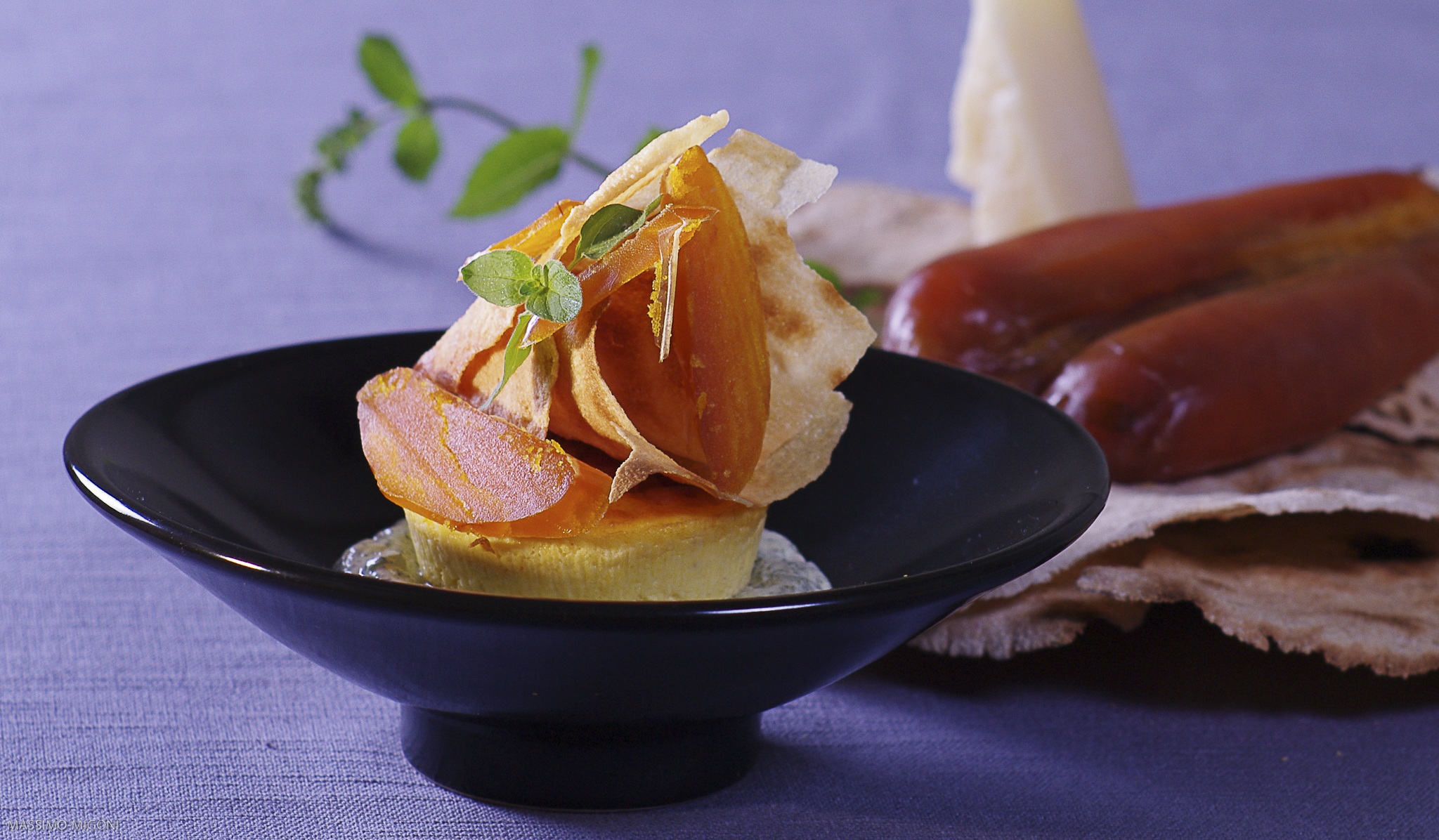
Sardinia's "sea gold" is salty and intense — here's the wine that actually stands up to it.
Read the article→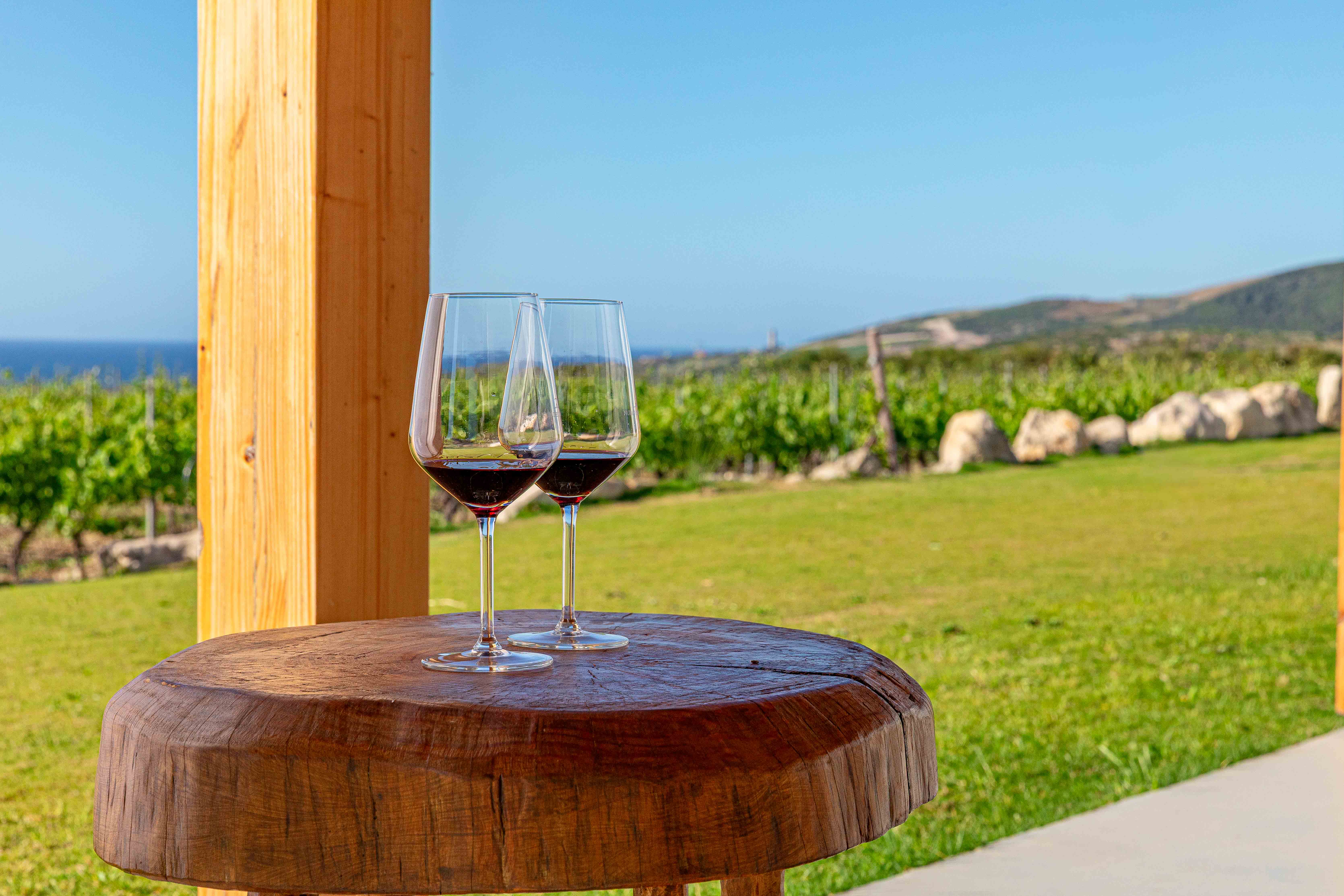
No signposted routes, no walk-ins: wine tasting in Sardinia works differently. How to book it, what to expect, and the problem nobody plans for.
Read the article→We take you directly to the producers, with private transfer included and in small groups.
© 2026 Henosis. Tutti i diritti riservati.
Henosis