
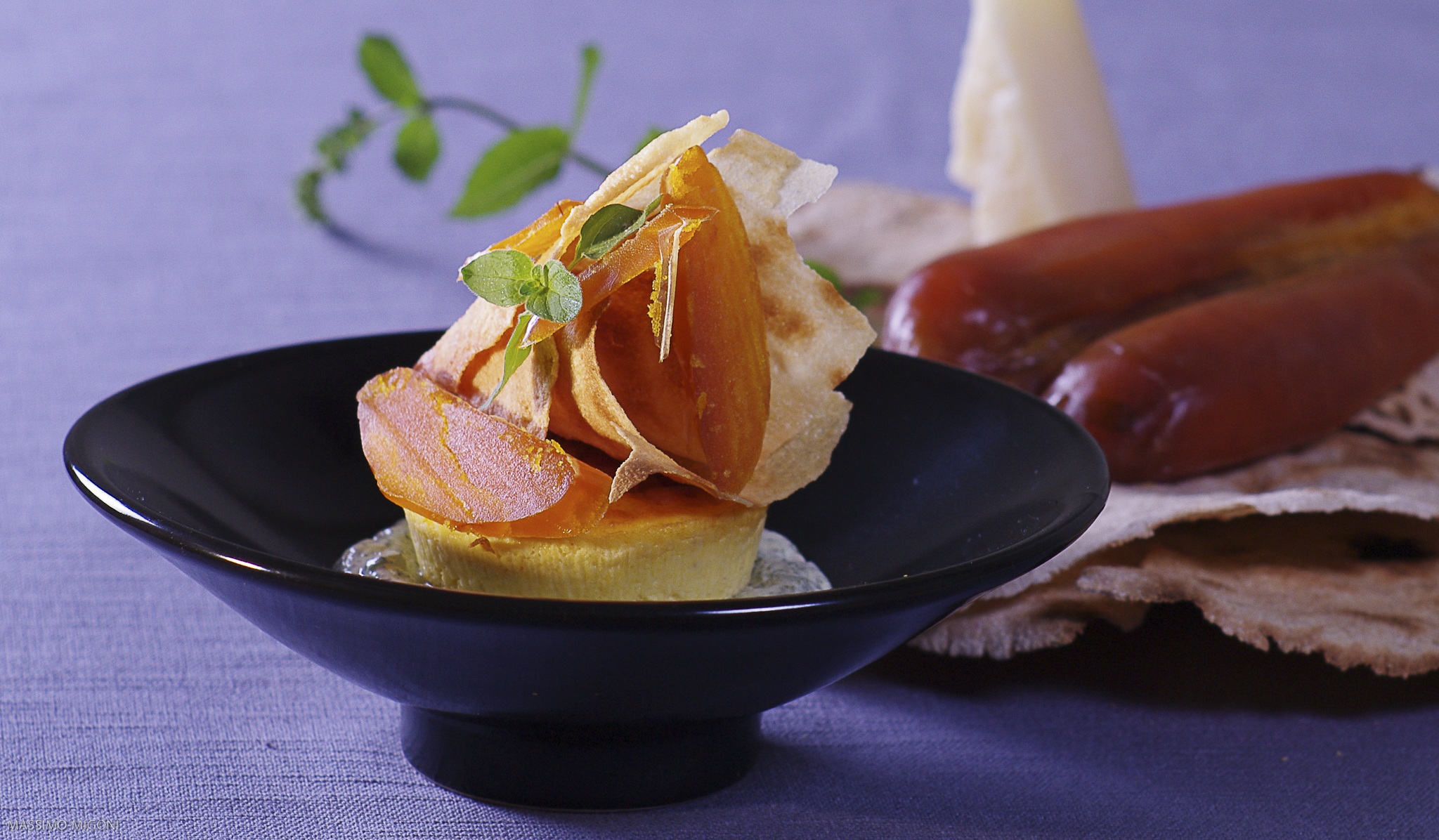
Grate a little bottarga over hot pasta and the whole table goes quiet for a second. The smell arrives first — salt, sea, something between cured fish and roasted almond — and then the taste, which is intense enough to stop a conversation. This is Sardinia's "sea gold," and it is one of the most concentrated flavours the island produces.
Which is exactly why it defeats so many wines. Pour the wrong bottle next to bottarga and one of two things happens: the wine vanishes, flattened by the salt, or it fights back and the whole thing turns harsh. Getting the pairing right isn't difficult, but it does follow rules. Here's what to drink with bottarga, and why.
Bottarga is the salted, pressed and air-dried roe of grey mullet — muggine in Italian. The egg sacs are extracted whole, washed, salted and left to cure until firm, turning a deep amber-gold in the process. The result is often called the "caviale del Mediterraneo," the caviar of the Mediterranean, and the mullet version is the most prized: mullet are small, so each fish yields little, and the quantities are modest.
You'll meet it two ways at a Sardinian table. Sliced thin, dressed simply with olive oil and a squeeze of lemon, eaten with bread — the purest form. Or grated over pasta, most famously spaghetti, where it melts into the oil and coats every strand. There is also a tuna version, darker and stronger, but mullet bottarga is the one Sardinia is known for.
Two things about its flavour decide the pairing. It is very salty, and it carries a faintly bitter, almond-like finish. Whatever you drink has to answer both.
The single most reliable principle is this: salt needs acidity. A wine with bright, clean acidity refreshes the palate between bites, stops the salt from accumulating, and keeps each mouthful as vivid as the first. A soft, low-acid wine does the opposite — it collapses under the salt and tastes flat and sweetish by comparison.
That immediately points you toward crisp, dry white wines. And it points you, more or less inevitably, toward the whites of Sardinia's own coast — because bottarga and those wines grew up on the same tables.
Vermentino — the default, and a very good one. Sardinia's signature white is almost purpose-built for this. Its acidity cuts the salt cleanly, and — this is the detail that seals it — its own bitter almond finish echoes the one in the bottarga. The two don't just coexist, they rhyme. If you want one safe, excellent choice, this is it. A Vermentino di Gallura, from the granite hills of the north-east, tends to bring extra concentration that stands up well to a heavily dressed pasta.
Torbato — the local's answer. Around Alghero, where bottarga meets the wine list, Torbato is the insider pick. Saline, structured and dry, with the same briny character that lives in the dish, it matches bottarga on its own terms rather than simply cutting through it. Since Torbato is drunk almost only here, ordering it with bottarga in Alghero is about as authentic as the pairing gets.
A dry sparkling wine — for the sliced version. When bottarga is served in thin slices as an antipasto, a dry traditional-method sparkler is superb. The bubbles and the acidity scrub the palate between bites, and the bready, yeasty notes of a good sparkling wine flatter the roe's richness. A Torbato Spumante keeps the whole thing local.
Other high-acid dry whites work on the same logic — anything crisp, mineral and unoaked. The principle travels even if the bottle doesn't.
Skip these with bottarga
Oaked, buttery whites. Vanilla and toast clash with the roe's savoury intensity, and the low acidity leaves the salt nowhere to go.
Sweet or off-dry wines. Sugar plus heavy salt is a difficult combination that usually just amplifies the saltiness.
Big, tannic reds. Tannin and salt turn metallic and bitter against each other. Bottarga is a white-wine dish, full stop.
Anything served too warm. A white that's lost its chill loses its acidity's edge, which is the whole point of the pairing.
Serve your white cold but not frozen — around 10–12°C. Colder than that and you mute the aromatics you're relying on to match the roe's complexity. If the bottle has been in an ice bucket, give it a couple of minutes before pouring.
And a note on the food itself: don't drown bottarga. Its flavour is the point, so the classic preparations keep it simple — good oil, a little lemon or garlic, bread or plain pasta. The wine is there to frame it, not to compete.
You can recreate all of this at home, and it will be good. But bottarga and Sardinian white wine were built for each other on this coast, eaten within sight of the water the mullet came from, and there's a completeness to the pairing when you have it here that's hard to reproduce elsewhere. The salt in the air, the salt in the roe, the saline edge in the glass — all the same note, sounded at once.
That's the version worth travelling for.
We'll take you to discover producers and wineries. Private transfer included.
Discover our experiencesA crisp, dry white with good acidity. Vermentino is the classic Sardinian match — its acidity cuts the salt and its bitter almond finish echoes the roe. Around Alghero, Torbato is the local favourite.
It's not recommended. The tannins in most reds clash with bottarga's high salt content, turning metallic and bitter. Bottarga is very much a white-wine dish.
Yes, especially with sliced bottarga served as an antipasto. A dry, traditional-method sparkling wine refreshes the palate between bites and its yeasty notes flatter the roe. A Torbato Spumante keeps it local to Alghero.
Bottarga is intensely salty. Acidity refreshes the palate and stops the salt from building up, keeping each bite as vivid as the first. Low-acid wines taste flat and sweetish alongside it.
Bottarga is the salted, pressed and air-dried roe of grey mullet (muggine). It's amber-gold, intensely savoury, and known as the "caviar of the Mediterranean." A tuna version also exists but is darker and stronger.
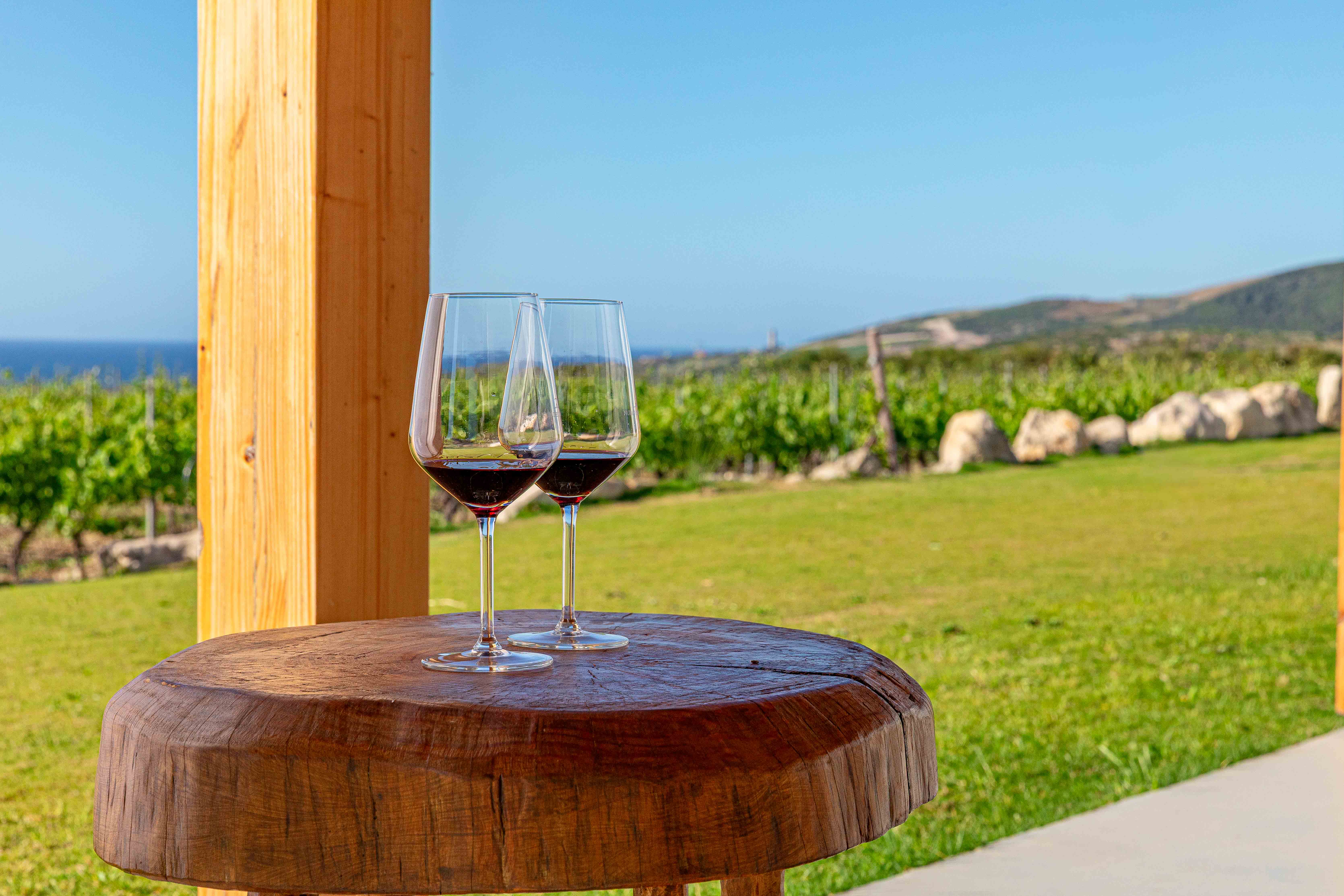
No signposted routes, no walk-ins: wine tasting in Sardinia works differently. How to book it, what to expect, and the problem nobody plans for.
Read the article→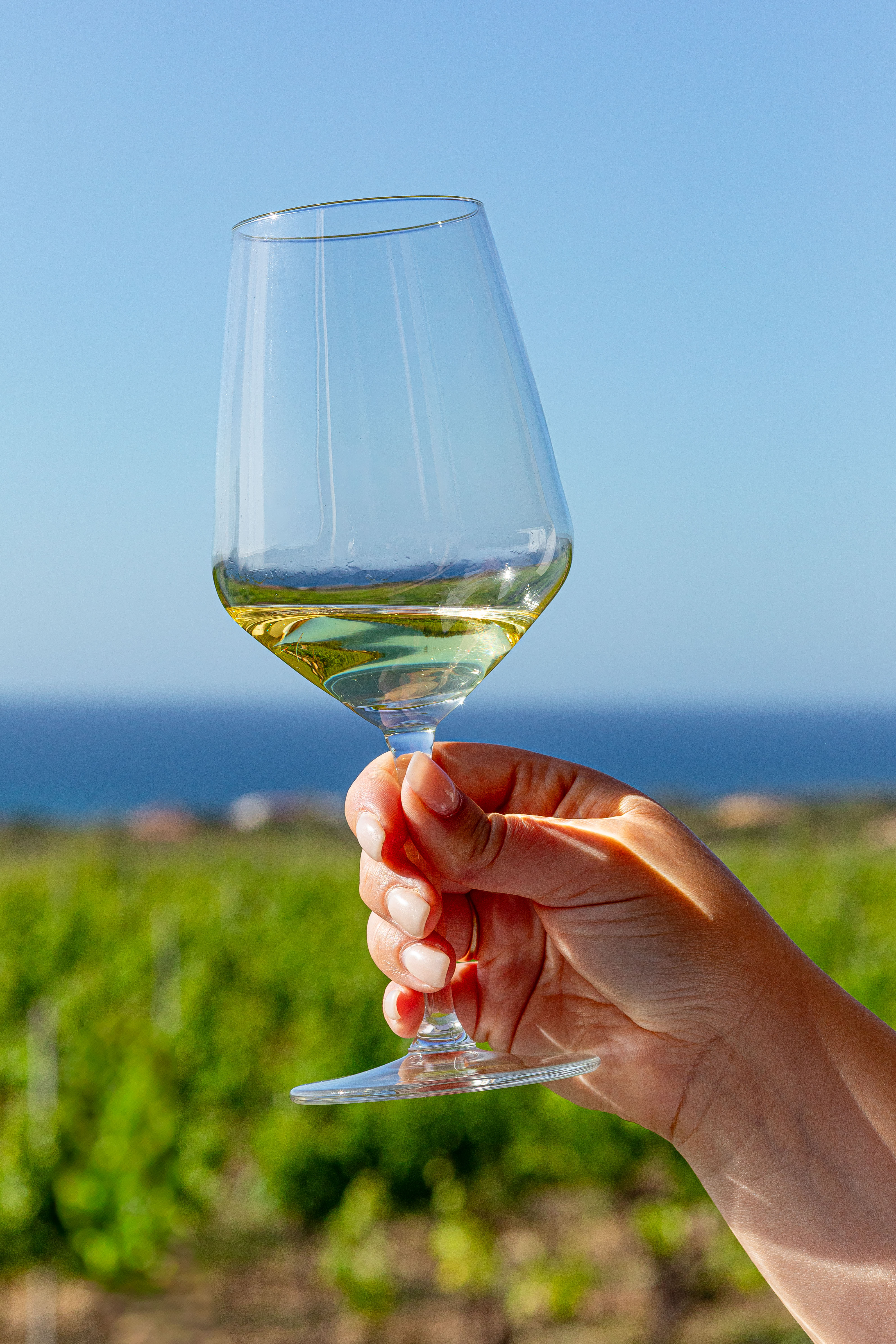
The island's best-loved white wine, from vineyard to glass
Read the article→We take you directly to the producers, with private transfer included and in small groups.
© 2026 Henosis. Tutti i diritti riservati.
Henosis