
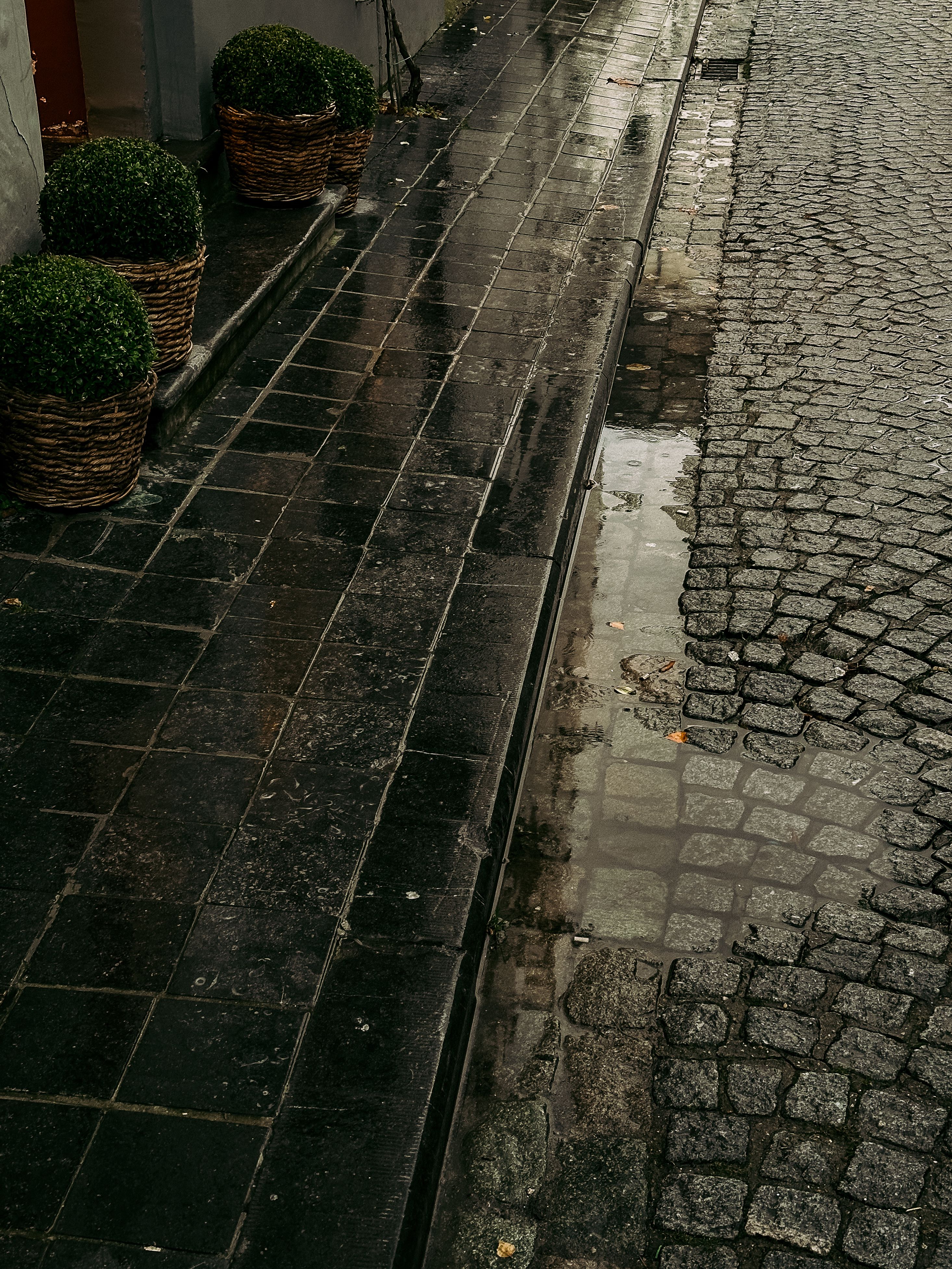
You wake up in Alghero and the sky has turned. The sea is grey, the mistral is driving rain down the cobbled lanes, and the beach day you'd planned is off. It happens — especially in autumn and winter, when Sardinia gets most of its rain. But here's the thing most visitors don't realise: a wet day in Alghero isn't a day lost. The old town, emptied of crowds and shining under the rain, is arguably at its most atmospheric, and there's more than enough to fill the hours while you wait for the sky to clear.
Here's how to spend a rainy day in Alghero well — indoors where it counts, and out in the drizzle where it's worth it.
Alghero sits on the Riviera del Corallo — the Coral Riviera — and the city's relationship with the precious red coral of its waters goes back centuries. A rainy morning is the perfect time to understand it, at the Coral Museum (Museo del Corallo), housed in an elegant early-twentieth-century villa. It's a compact, atmospheric visit that explains how the coral is harvested and worked, and why it became the symbol of the city. After it, the coral jewellers in the old town make more sense — and browsing them is itself a fine way to dodge a shower.
Alghero's layered past — Ligurian foundation, Catalan-Aragonese conquest, centuries as a fortified port — is best explored under a roof when the weather turns.
The cathedral of Santa Maria, at the heart of the old town, rewards a slow look at its mix of architectural styles, and climbing its bell tower is a fair-weather treat to save for later. Smaller churches scattered through the centre offer both shelter and quiet beauty as you move between them. The city also has an archaeological museum (MŪSA) that gathers finds from the area's deep nuragic and pre-Roman past — worth checking current opening times before you set out, as civic museums can close for seasonal or renovation reasons.
Rain is the universe giving you permission to spend three hours at the table, and Alghero is exactly the place to accept. This is the moment for the full Algherese experience: the Catalan-style lobster, spaghetti with bottarga, a plate of local seafood, unhurried, with a bottle of something local in front of you. The weather outside only makes the warmth inside better. If there's a meal you'd planned to rush, let the rain slow it down.
A grey afternoon is tailor-made for a wine tasting. This is the chance to get properly acquainted with the wines of the region — the saline Vermentino, the rare local Torbato, the warm Cannonau from the interior — in a comfortable indoor setting, guided by someone who can explain what you're drinking and why this land produces it. It's the one "activity" that's arguably better in the rain: nowhere to be, nothing to rush back out for, just the wine and the story behind it. A rainy day is when a guided tasting comes into its own.
The tangle of narrow lanes in the historic centre is largely sheltered, and the eaves and arcades make it walkable even in a downpour. This is the time to browse without the summer crowds: the coral workshops, the little shops selling Sardinian craft — ceramics, textiles, knives, food and wine to take home. Duck into a café when it gets heavy, warm up with a coffee, wait out the worst, and move on. It's how locals handle a wet day, and it's more pleasant than it sounds.
Don't write off the outdoors completely. The bastioni — the sea ramparts — are a different, wilder spectacle in bad weather, with the waves throwing themselves against the walls and the whole coast gone dramatic and moody. Wrapped up properly, a short walk along the walls in the rain is something the summer visitor never sees: Alghero with the drama turned up, and almost no one else around to share it.
Practical notes
Stay central. Base your day in and around the old town, where everything is close and the lanes are sheltered. Save far-flung day trips for clearer skies.
Check opening times. Museums and civic sites can keep seasonal or reduced winter hours, or close for works — confirm before you go.
Book the indoor experiences. A wine tasting or a special lunch is best arranged ahead, especially off-season when some places keep shorter hours.
Dress for the mistral. Alghero's rain often comes sideways on the wind — a proper jacket beats an umbrella that won't survive the gusts.
Adjust expectations, not the trip. Pick things that genuinely work indoors and keep transfers short.
The first is treating a rainy day as a write-off and staying in the hotel — Alghero has plenty to offer under cover, and you'll regret the wasted day. The second is attempting a long coastal day trip in the wet, when the drive and the views are both diminished; save Bosa and the cliffs for sun. The third is turning up at a museum without checking the hours, especially in winter. And the fourth is fighting the mistral with a flimsy umbrella instead of simply dressing for it and enjoying the drama.
There's a version of Alghero that only appears when the weather turns: quieter, moodier, the Catalan stone dark with rain, the ramparts wild, the restaurants warm and in no hurry. Most visitors never meet it, because they only come in the sun. If the sky turns grey on your trip, don't mourn the beach day — go and find the other Alghero. It's waiting in a coral museum, down a sheltered lane, at a long table with a glass of Vermentino, and it might just be the day you remember most.
We'll take you to discover producers and wineries. Private transfer included.
Discover our experiencesPlenty indoors: visit the Coral Museum to understand the city's coral heritage, explore the cathedral of Santa Maria and the old town's churches, enjoy a long Algherese lunch, book a wine tasting, or browse the sheltered shops and coral workshops of the historic centre.
Alghero has a Mediterranean climate — dry, sunny summers and milder, wetter winters. Most rain falls in autumn and winter, with November typically the wettest month. Summer rain is rare.
Yes, for the right traveller. Winter is quiet, mild and atmospheric, with few tourists and lower prices. It's not a beach trip, but for culture, food, wine and the old town at its moodiest, it has real appeal — just come prepared for some rain and wind.
The Coral Museum, the cathedral and churches, a guided wine tasting, a long lunch of Catalan-style lobster or seafood, and shopping the sheltered lanes of the old town for coral and Sardinian crafts.
Absolutely — many of its narrow lanes are sheltered, and the sea ramparts are dramatic in bad weather. The old town, emptied of crowds and shining with rain, is arguably at its most atmospheric.
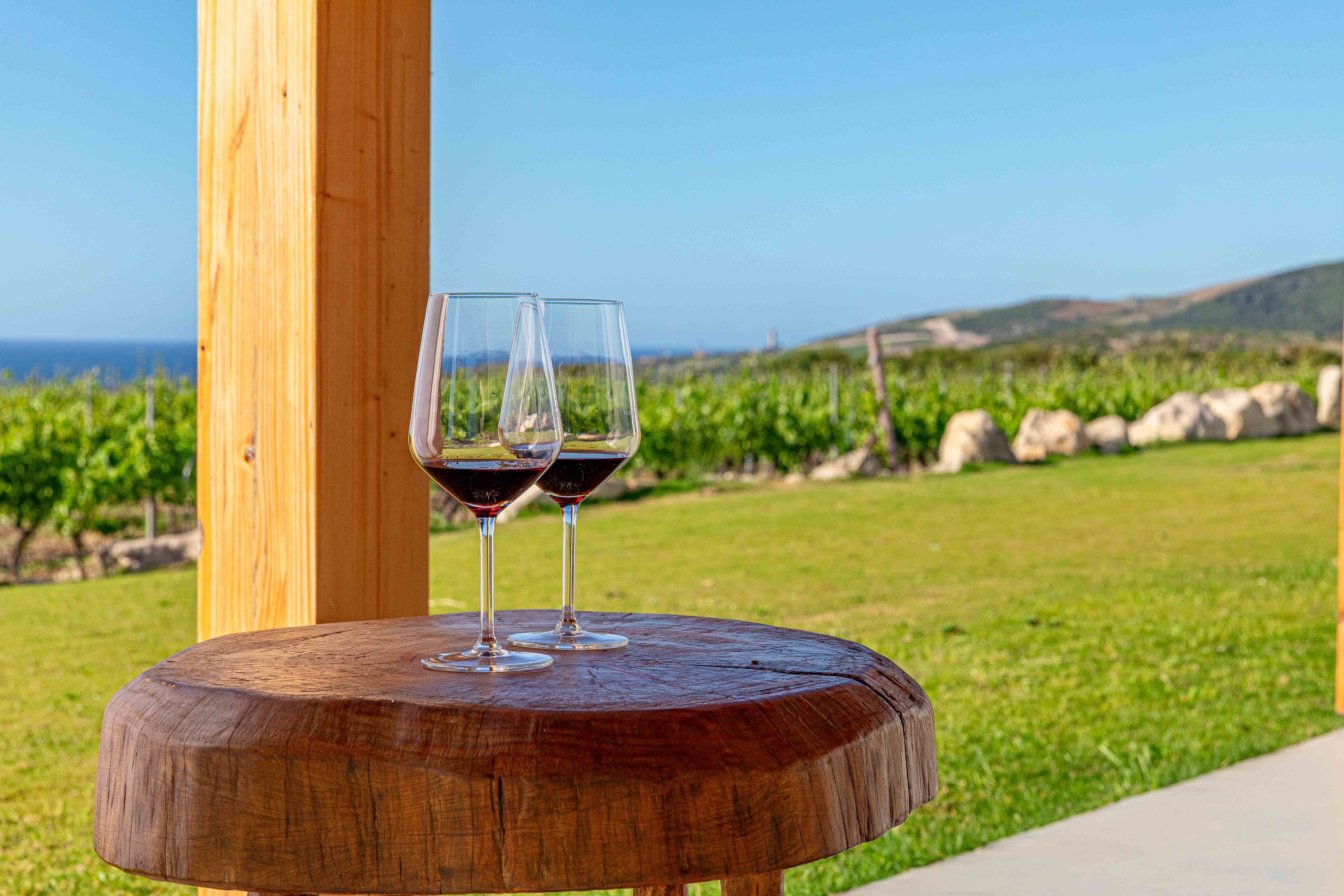
No signposted routes, no walk-ins: wine tasting in Sardinia works differently. How to book it, what to expect, and the problem nobody plans for.
Read the article→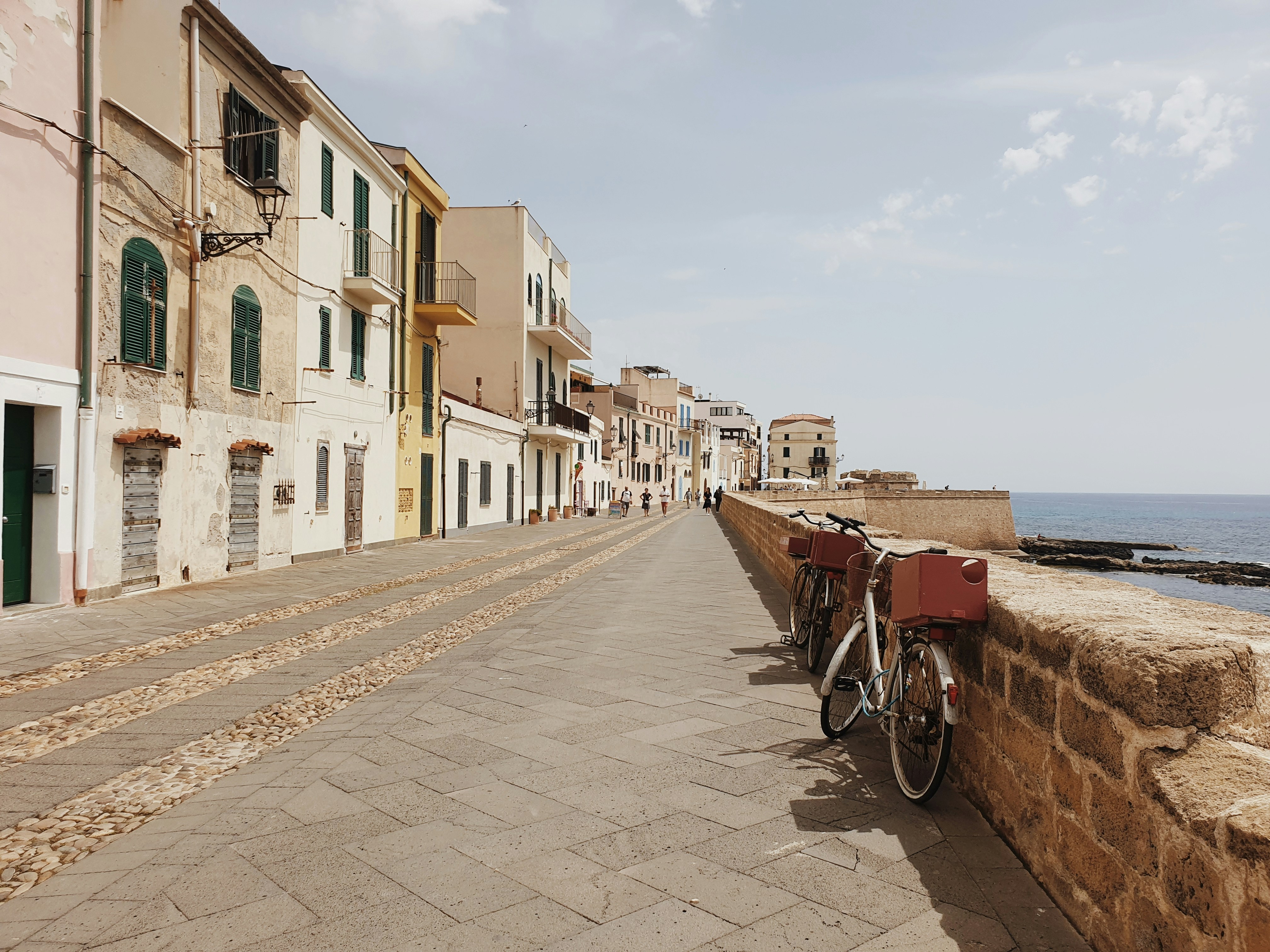
A Catalan old town, Bronze Age towers, sea caves and wine country, all within forty minutes.
Read the article→We take you directly to the producers, with private transfer included and in small groups.
© 2026 Henosis. Tutti i diritti riservati.
Henosis