
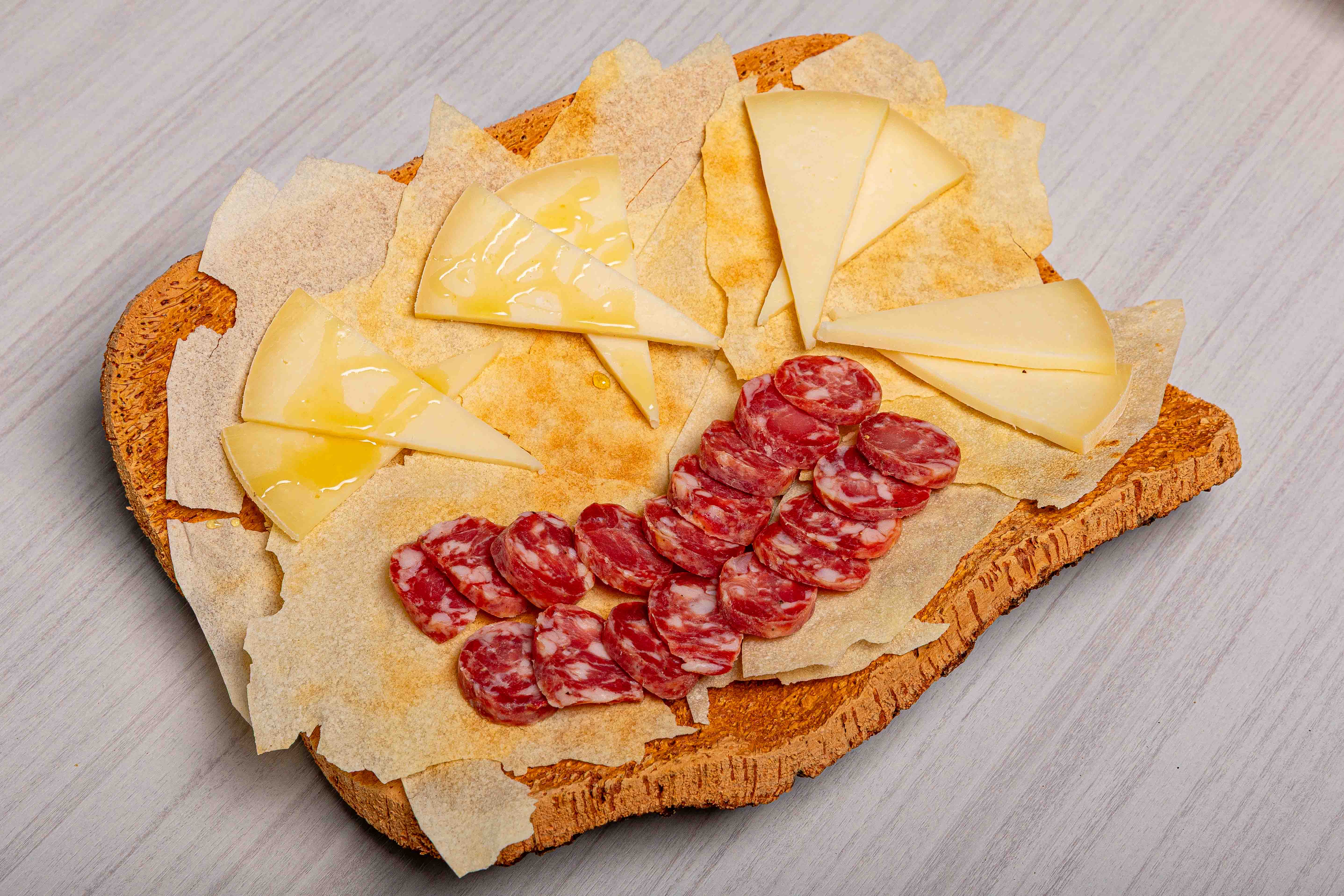
There are more sheep than people in Sardinia — by a wide margin — and that single fact explains a great deal about the island's table. This is a land of shepherds, and its cheeses are among the finest in Italy: sharp aged pecorino, delicate fresh ricotta, smoky mountain rounds made the way they have been for centuries. Each one wants something different in the glass beside it.
Pairing cheese and wine isn't guesswork once you know the two or three rules that actually govern it. Here are the cheeses of Sardinia worth seeking out, the island wines that flatter each, and the logic that lets you improvise your own matches at any Sardinian table.
Sardinian cheese is overwhelmingly a story of sheep's milk, with a few exceptions. The ones you're most likely to meet:
(You may also hear of casu marzu*, the notorious maggot-fermented cheese. It's part of local lore but is not legally sold, so we'll leave it as a story for the table rather than a pairing.)*
Before the specific matches, the logic — because once you have it, you can pair any cheese with any wine on instinct.
Match intensity. A delicate fresh ricotta needs a delicate wine; a sharp aged pecorino needs a wine with enough character to stand up to it. Overpower one and you lose the other.
Salt loves acidity — and sweetness. Sardinian cheeses, especially aged pecorino, are salty. A high-acid white refreshes the palate against that salt, while a touch of sweetness (a dessert wine, or the classic drizzle of honey) balances it beautifully. This is why honey and pecorino is a Sardinian ritual.
Fat wants a counterweight. Rich, fatty cheese is cut either by acidity or by the tannins and structure of a red. Both work; they just pull in different directions.
Think local. The oldest rule of all: what grows together goes together. Sardinian cheese and Sardinian wine evolved on the same tables, and the pairings below lean on that.
Fresh ricotta → crisp young white. The lightest cheese wants the lightest match. A young, fresh Vermentino, all citrus and acidity, keeps fresh ricotta clean and bright without overwhelming its milky sweetness. A dry sparkling wine works too.
Pecorino Sardo dolce (mild) → Vermentino. Still a relatively gentle cheese, so still a white's job. Vermentino's acidity and faint almond finish sit perfectly against the mild, sweet-savoury pecorino — a reliable, classic coastal match.
Pecorino Sardo maturo (aged) → Cannonau. Now the cheese has sharpness, salt and depth, and it wants a red with body to match. Cannonau, warm and savoury with ripe tannins, meets aged pecorino as an equal. This is the pairing to reach for with a serious cheese board.
Fiore Sardo → Cannonau, or a touch of honey. Rustic, nutty and intense, Fiore Sardo loves a structured red like Cannonau. For something special, serve it the Sardinian way — with a drizzle of the island's honey, whose sweetness plays against the cheese's salt.
Casizolu → medium red or structured white. Its stretched-curd richness takes either a fruit-forward red or a white with real texture, depending on how aged it is.
Any aged pecorino + honey → a sweet wine. The island's dessert wines (a Vernaccia di Oristano, a sweet Malvasia) turn a cheese course into something memorable, their sweetness and the honey together taming the salt.
Quick reference
A few practical notes to get the most from it. Serve cheese at room temperature, never fridge-cold — the cold mutes both flavour and aroma, exactly as it does with wine. Move from mild to strong as you taste, so a delicate ricotta isn't flattened by an aged pecorino eaten before it. Offer the classic accompaniments: local honey, pane carasau (the crisp shepherd's flatbread), perhaps a spoonful of fruit mostarda. And pour more than one wine if you can — a white for the fresh and mild cheeses, a red for the aged ones — rather than forcing a single bottle to do everything.
The first is pairing every cheese with red wine; fresh and mild cheeses are usually a white's job, and the reflex "cheese means red" ruins more pairings than it saves. The second is serving the cheese cold, which hides exactly what you came for. The third is matching a delicate cheese with a powerful wine, or the reverse — intensity has to meet intensity. And the fourth, as ever in Sardinia: overlooking honey, which isn't a garnish here but a central part of how the island eats its cheese.
Sardinia's wines of the coast are justly famous, but its cheeses carry you inland — to the high pastures, the shepherds, the oldest and most pastoral version of the island. Put a wedge of aged pecorino next to a glass of Cannonau, add a thread of honey, and you've assembled something that has been eaten on this island for longer than anyone can say. It isn't a sophisticated restaurant invention. It's shepherds' food and shepherds' wine, and it's all the better for it.
We'll take you to discover producers and wineries. Private transfer included.
Discover our experiencesIt depends on the age. Mild, young Pecorino Sardo pairs beautifully with a fresh white like Vermentino, whose acidity matches its gentle character. Aged, sharper pecorino wants a structured red like Cannonau, which can stand up to its salt and depth.
Above all its sheep's cheeses: Pecorino Sardo (DOP) in mild and aged styles, and Fiore Sardo (DOP), a rustic aged pecorino from raw sheep's milk. Fresh ricotta and the rarer cow's-milk Casizolu are also prized.
Both, depending on the cheese. Fresh and mild cheeses (ricotta, young pecorino) suit crisp whites like Vermentino; aged, sharper cheeses (mature pecorino, Fiore Sardo) suit reds like Cannonau. Match the intensity of the wine to the intensity of the cheese.
Because sweetness balances the salt and sharpness of aged pecorino. Honey with cheese is a Sardinian ritual, and pairing both with a sweet wine turns a cheese course into something memorable.
Serve the cheese at room temperature, taste from mild to strong, and offer local honey and pane carasau alongside. Pour a white for the fresh and mild cheeses and a red for the aged ones rather than relying on a single wine.
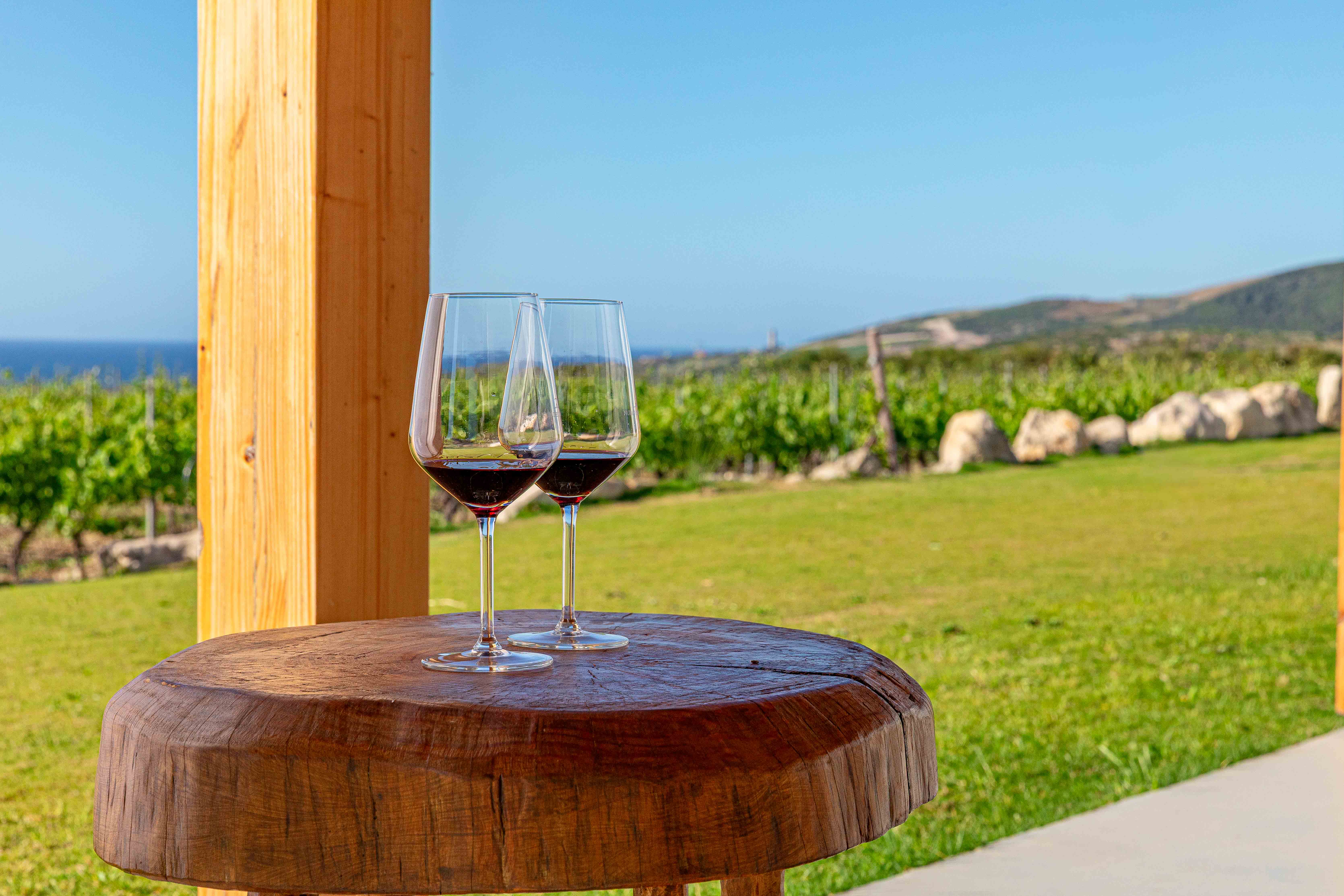
No signposted routes, no walk-ins: wine tasting in Sardinia works differently. How to book it, what to expect, and the problem nobody plans for.
Read the article→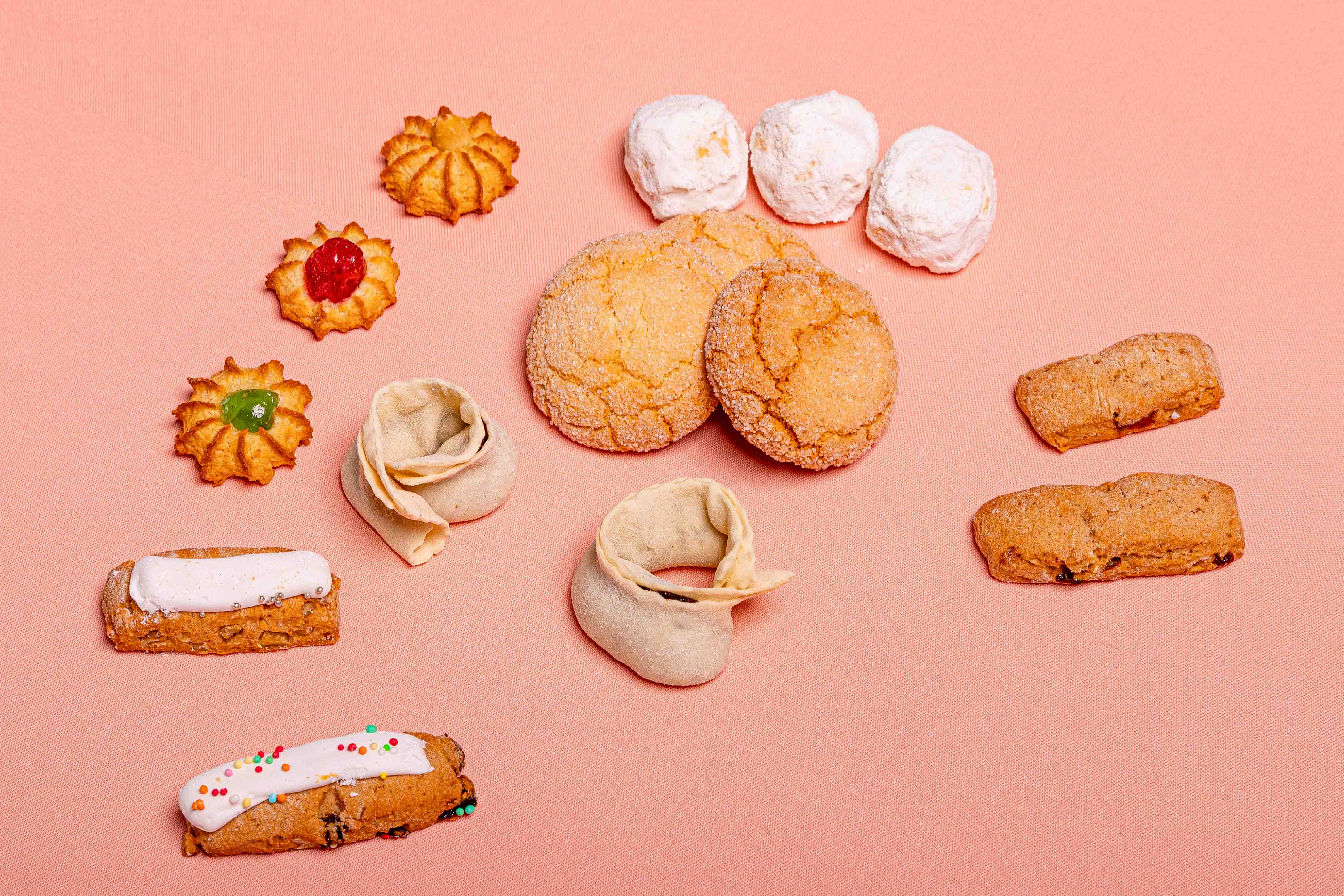
Ten dishes that explain Alghero — half Sardinian, half Catalan, all built around the sea.
Read the article→We take you directly to the producers, with private transfer included and in small groups.
© 2026 Henosis. Tutti i diritti riservati.
Henosis