
.jpg)
There's a moment at a proper Sardinian lunch when the talking stops. The porceddu arrives — a whole suckling pig, roasted until the skin shatters like glass and the meat underneath gives way at a touch, carrying the scent of myrtle and woodsmoke. Someone fills the glasses with a dark, warm red. This is the pairing at the heart of the island's table: porceddu e Cannonau, roast suckling pig and Sardinia's great red wine.
It isn't an accident, and it isn't just tradition for tradition's sake. There are real reasons these two things make each other better. Here's what each one actually is, why the match works, and how to get it right — whether you're at a festival in the mountains or recreating it at home.
Porceddu (also spelled porcheddu or porceddu sardo) is the great celebration dish of the Sardinian interior: a young suckling pig, slow-roasted whole until the skin crackles and the meat falls apart. Traditionally it was cooked over open embers of aromatic wood, sometimes scented with myrtle, and in the most rustic version buried and cooked underground. The result is a study in contrast — brittle, salty, fat-rendered skin over meltingly tender meat beneath.
It belongs to the pastoral heart of the island, not the coast. Where Alghero's kitchen looks to the sea, porceddu looks inland, to the shepherds' tradition of the mountains around Nuoro and the Barbagia. It's festival food, the centrepiece of long tables, weddings and village feasts — the dish you cook when there's something to celebrate.
Cannonau is Sardinia's flagship red grape, and internationally it's better known under another name: Grenache (Garnacha in Spain). It accounts for a huge share of the island's red production and grows almost everywhere on Sardinia.
Its origins are genuinely debated. For a long time the assumption was that the grape arrived with Spanish rule, since it's the same variety grown across Spain and southern France. More recently, archaeobotanical finds — ancient grape seeds in the Nuoro area — have been read by some as evidence that Cannonau may have a much older presence on the island than previously thought. The question is not settled, and anyone stating it with certainty either way is going beyond the evidence.
What isn't in doubt is the wine. Cannonau di Sardegna became a DOC in 1972 and covers the entire island, with historic sub-zones — Oliena, Jerzu, Capo Ferrato — and a "Classico" designation reserved for its heartland in the provinces of Nuoro and Ogliastra. It's a warm, generous red: ruby turning to garnet with age, scented with ripe red fruit, dried herbs and a spiced, balsamic depth, typically full-bodied with a naturally high alcohol level that reflects the island's sun.
Good pairings usually come down to a few mechanics, and porceddu and Cannonau tick nearly all of them.
Fat needs a counterweight. Porceddu is a rich, fatty dish, and its crisp skin is pure indulgence. Cannonau brings ripe tannins and warmth that cut through that fat, clearing the palate between bites so the last mouthful is as good as the first. A thin, low-alcohol red would be steamrolled; Cannonau has the body to keep up.
Weight matches weight. The first rule of pairing is that neither partner should overwhelm the other. Porceddu is a big, robust dish, and Cannonau is a big, robust wine. They meet as equals — a delicate red would vanish, a delicate white even more so.
Shared flavours rhyme. This is the detail that elevates the match from "works" to "made for each other." The Mediterranean scrub the pig grazed near, the myrtle and herbs in the cooking, the wild, dried-herb and balsamic notes in the wine — they echo each other. Wine and food are speaking the same aromatic language, because they come from the same land.
Same place, same table. Porceddu and Cannonau both belong to the Sardinian interior. They evolved side by side over centuries, eaten together at the same feasts. Pairings that grow up together tend to fit, because the food and the wine were, in effect, tuned to each other.
Practical notes
Wine temperature: serve Cannonau at 16–18°C — warm enough to open its aromatics, cool enough that the alcohol doesn't dominate. Slightly below room temperature is right; never warm.
Which Cannonau: a younger, fruit-forward bottle handles the fat beautifully. A Riserva — aged at least two years, with more structure and spice — suits a special occasion and a well-browned roast.
Glass: a generous bowl to let the wine breathe and show its perfume.
Let it breathe: a structured Cannonau benefits from twenty to thirty minutes open, or a short time in a decanter.
The food: porceddu is best eaten hot from the fire, when the skin is at its crispest. Keep the sides simple — this is a dish that wants to be the star.
You'll often hear Cannonau tied to Sardinian longevity — the island's mountainous Ogliastra is one of the world's so-called "Blue Zones," where people live unusually long lives, and Cannonau is sometimes credited with a role thanks to its antioxidant content. It's a lovely story and a genuine point of local pride.
It's worth being honest about it, though: longevity in these communities is the product of many interwoven factors — diet, movement, genetics, tight social bonds, a whole way of life — and no single glass of wine explains it. Enjoy Cannonau because it's delicious and because it belongs on this table, not as medicine. That's the version that's actually true.
The coast gets the attention — the beaches, the lobster, the white wine in the sun. But porceddu and Cannonau are the flavour of the other Sardinia, the one up in the hills where shepherds have been roasting pork over myrtle and drinking dark red wine for longer than anyone can document. Sit down to it once, and you understand something about the island that the seaside never quite tells you. It's the taste of celebration, of the interior, of a place that has always known exactly what to eat and what to pour beside it.
We'll take you to discover producers and wineries. Private transfer included.
Discover our experiencesCannonau, Sardinia's flagship red, is the classic and near-unbeatable match. Its ripe tannins and full body cut through the pig's richness, while its wild-herb and balsamic notes echo the flavours of the roast. Serve it at 16–18°C.
Porceddu is Sardinian roast suckling pig — a young pig slow-roasted whole until the skin crackles and the meat is meltingly tender, traditionally cooked over aromatic wood embers, sometimes scented with myrtle. It's the celebration dish of the island's interior.
Cannonau is Sardinia's main red grape, known internationally as Grenache (Garnacha). It makes a warm, full-bodied red with ripe red fruit, dried herbs and a spiced, balsamic character. Cannonau di Sardegna has been a DOC since 1972 and grows across the whole island.
Cannonau is often linked to Sardinia's "Blue Zone" longevity because of its antioxidant content, but longevity there results from many factors — diet, lifestyle, genetics and social ties — not a single food or drink. Enjoy Cannonau for its flavour, not as a health remedy.
Around 16–18°C — slightly below room temperature. This opens its aromatics while keeping its naturally high alcohol in balance. Serving it too warm makes the alcohol dominate.
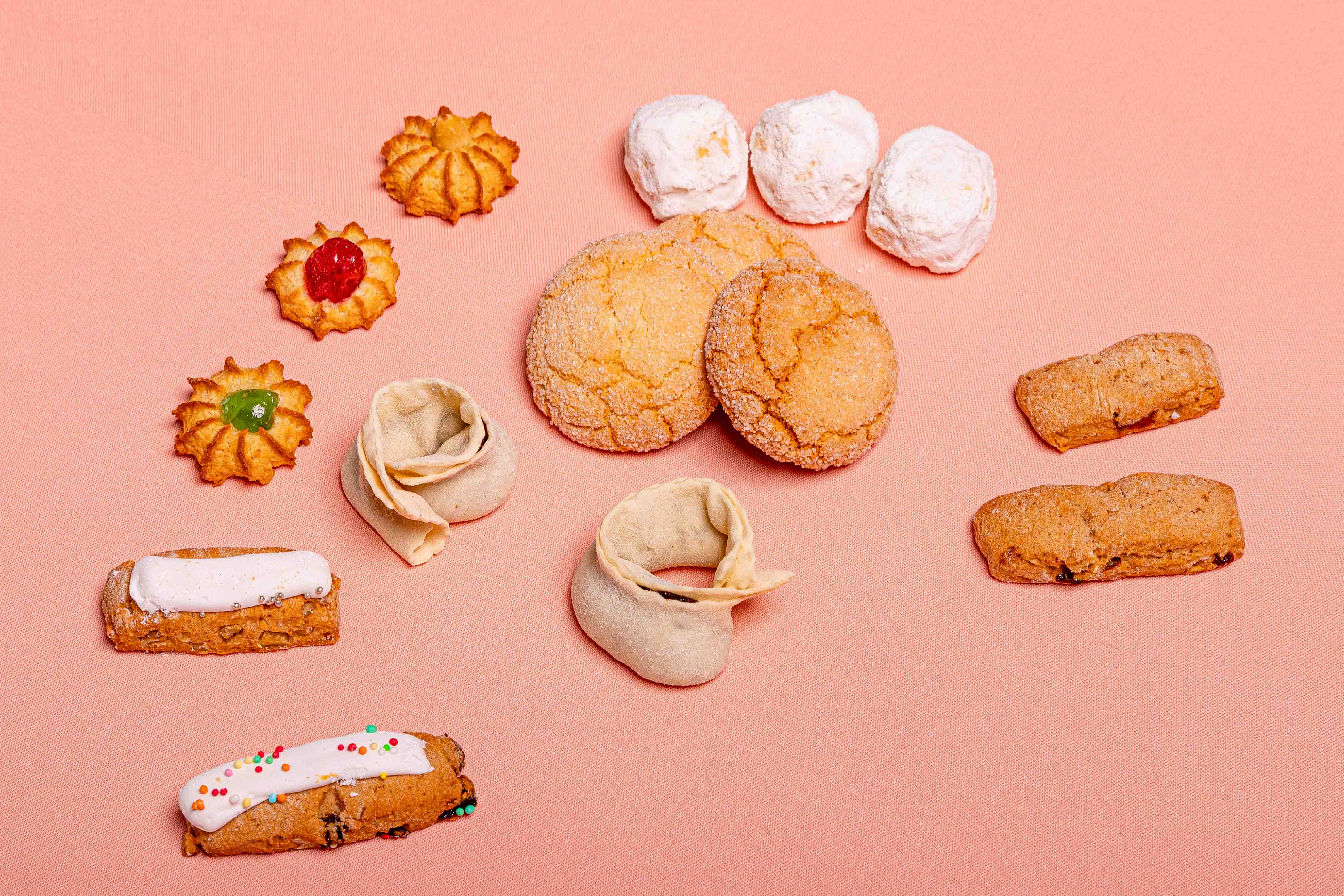
Ten dishes that explain Alghero — half Sardinian, half Catalan, all built around the sea.
Read the article→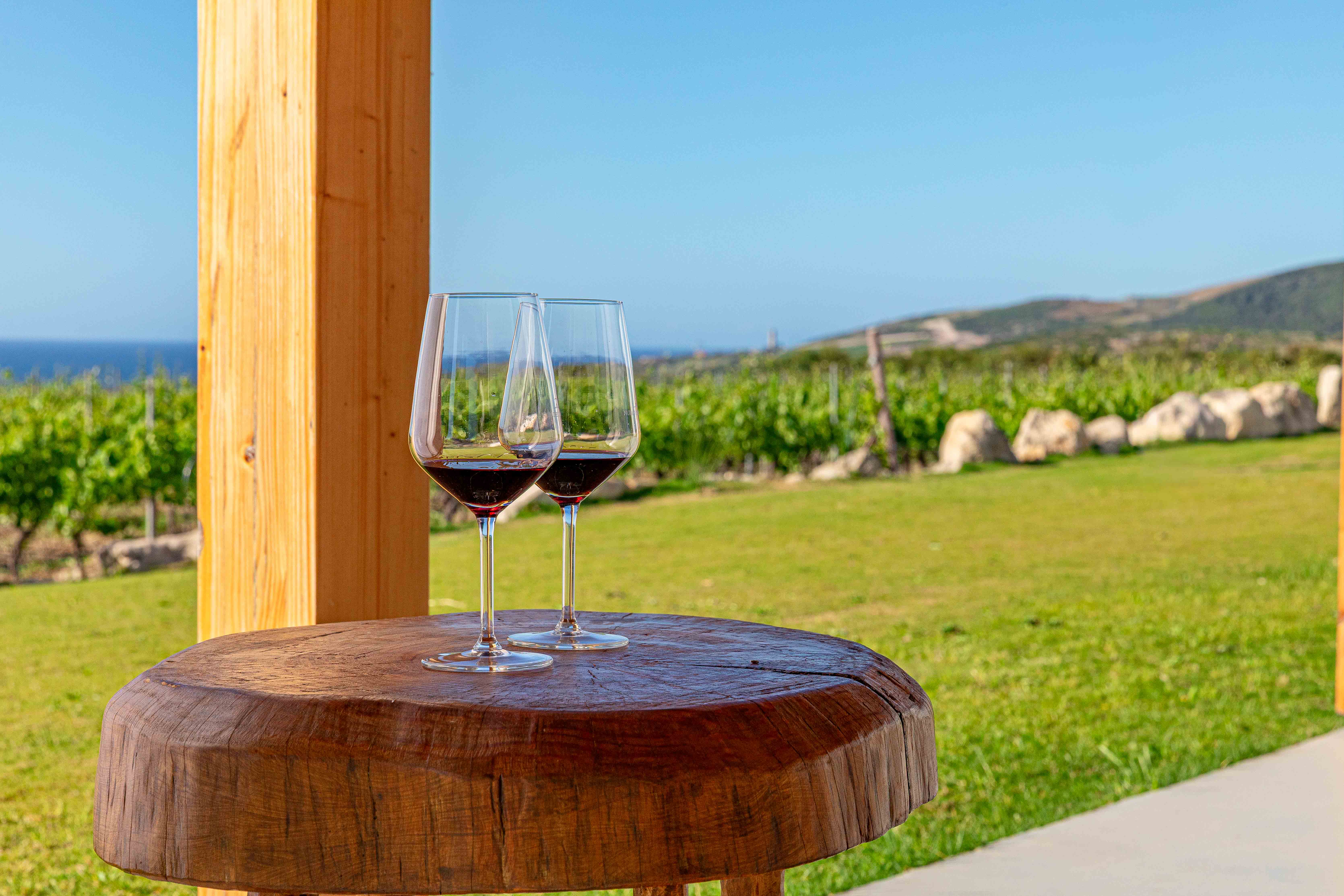
No signposted routes, no walk-ins: wine tasting in Sardinia works differently. How to book it, what to expect, and the problem nobody plans for.
Read the article→We take you directly to the producers, with private transfer included and in small groups.
© 2026 Henosis. Tutti i diritti riservati.
Henosis