
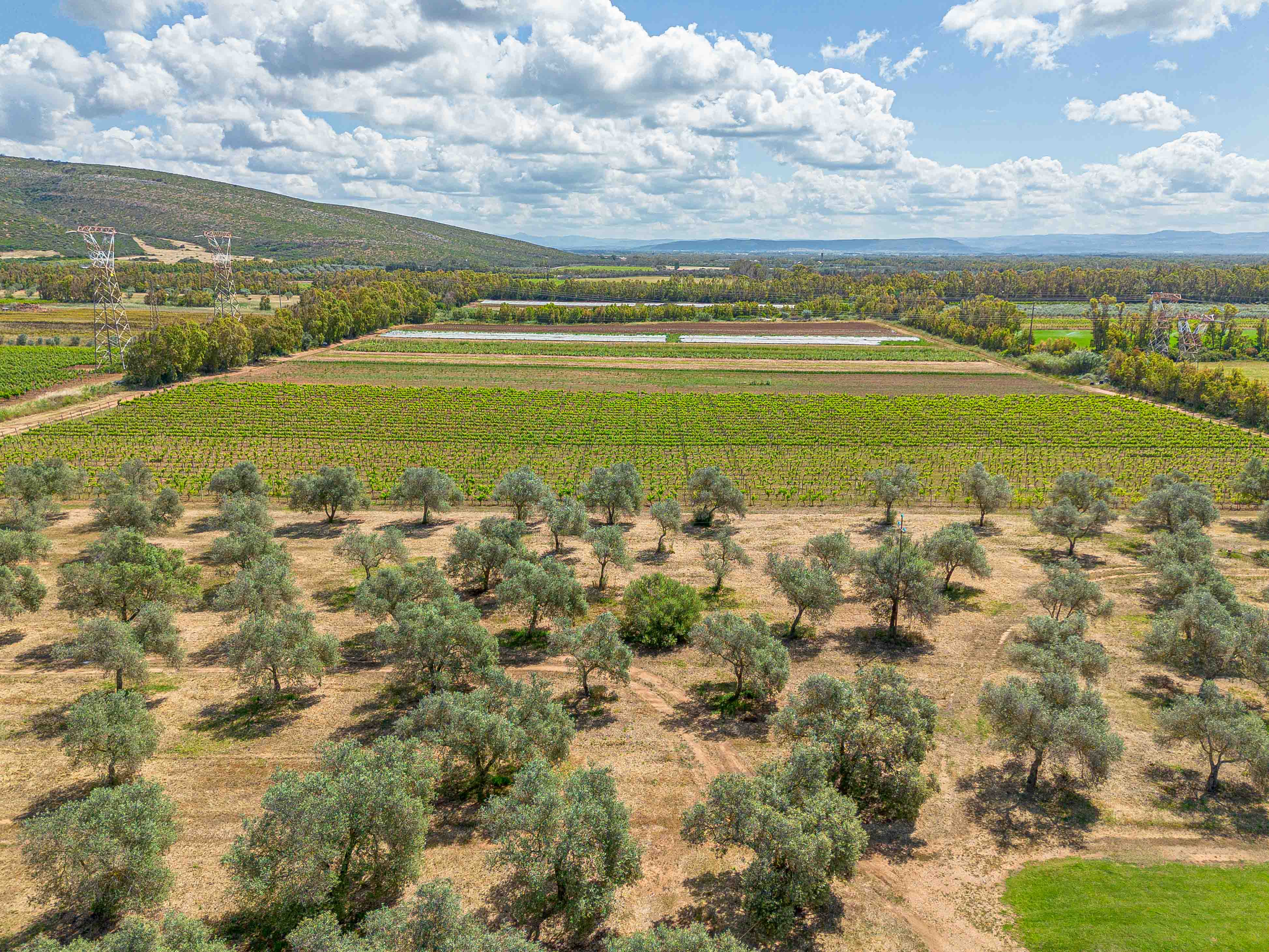
Come to Sardinia in September and something in the air has changed. The beaches are emptying, the heat has lost its edge, and inland — behind the coast, up the hill roads, across the plains — the vineyards are suddenly, urgently alive. Tractors on the back lanes at first light. Crates stacked in farmyards. And a smell that gets into everything: crushed grapes, fermenting must, sweet and sharp at once. This is sa innenna, the harvest, and it's the most alive the wine country ever gets.
Most visitors miss it, or catch it by accident and don't know what they're looking at. Here's what the Sardinian harvest is actually like — when it happens, what you'll see and smell, the rhythm of the work, and how to be part of it rather than just drive past.
There's no fixed date, and that's the first thing to understand. The harvest is decided in the vineyard, not on the calendar — growers test the grapes for the balance of sugar and acidity, and pick when the fruit is exactly ready. The same vineyard can start ten days earlier or later than the year before depending on the weather.
That said, the season follows a reliable shape, and it moves in two directions: from white grapes to red, and roughly from the warmer south to the cooler north. In broad strokes:
One clear trend worth knowing: across the last decade the harvest has crept steadily earlier, a direct result of a warming climate. Growers now start checking sugar levels as early as late July. If you're timing a visit around it, treat September as the safest bet for seeing the vineyards genuinely at work.
The harvest transforms the landscape from something passive into something busy.
The best hand-picking happens in the cool of early morning, sometimes before sunrise — and in some vineyards, at night under floodlights, because cold grapes keep their aromas better than warm ones. If you're ever offered the chance to see a night harvest, take it: lights strung through the rows, near-silence, and breakfast at six once the crates are in.
By day you'll see pickers working the rows with small shears, laying bunches gently into shallow crates that hold only fifteen or twenty kilos each — small on purpose, so the fruit at the bottom isn't crushed before it reaches the winery. You'll see tractors ferrying the crates in, and, at the wineries, the first stages of the transformation: destemming, pressing, the must beginning to move.
And you'll see the vines themselves in their final act of the year, leaves turning, the fruit that's left glowing in the low autumn light. Within weeks of the pick, the leaves will begin to colour and drop. This is the vineyard's last, best moment.
Ask anyone who's lived through a harvest and they'll talk about the smell first. Once fermentation begins, whole villages in wine country take on the scent of it — sweet, yeasty, faintly alcoholic, drifting from the wineries on the evening air. It's unmistakable and it's everywhere, and for a few weeks it simply is the smell of the place.
The sound is quieter but just as particular: the early-morning diesel of tractors, voices in the rows, the clatter of crates, and later the low hum of the cellar working. Harvest is the one time the wine country sounds like a workplace rather than a postcard.
Traditionally, the harvest was a community event — whole villages turned out to pick, and the work was followed by long shared meals, a reward for a year's labour in the vines. That communal spirit hasn't vanished. Even now, harvest is a social season as much as an agricultural one, bound up with food, family and a particular kind of tired satisfaction.
For the people who make wine, it's also the most demanding stretch of the year: weeks of long days, decisions that can't wait, and no room for error after twelve months of work. There's an intensity to wine country in these weeks that you can feel even as a visitor — a sense that everything the year has been building toward is happening right now.
Making the most of harvest season
Come in September. It's the surest window to catch the vineyards actually working, in both the north and much of the island.
Go with a guide. A harvest is a working operation, not an attraction — the best way in is a guided experience that can bring you into it respectfully and explain what's happening.
Ask about timing on the day. Because dates shift with the weather, the only reliable schedule is a local one. Flexibility is everything.
Taste the contrast. Harvest is a wonderful time to taste last year's finished wine while this year's is being made a few metres away.
Respect the work. Vineyards and cellars are busy and time-pressured now. Come curious, not in the way.
The first is assuming there's a set date and booking around it rigidly — the harvest moves, and the only real calendar is the one the weather writes. The second is expecting a staged event: this is real agricultural work, and its rawness is exactly what makes it worth seeing. The third is coming too late, in mid-to-late October, and finding the whites long since in and only the last reds still hanging. And the fourth, as ever in Sardinia: not pairing what you see with what you taste. Watching Vermentino come in and then drinking a glass of it is the whole point.
The Sardinia of the postcards is summer — the sea, the sun, the long bright days. But the Sardinia that wine lovers fall for is this one: September in the vineyards, the air thick with fermentation, everyone working, the year's whole story reaching its climax in a few short weeks. Come for the harvest and you don't just see where the wine comes from. You see it being born. That's a version of the island the beach crowd never meets — and it might be the truest one there is.
We'll take you to discover producers and wineries. Private transfer included.
Discover our experiencesThere's no fixed date — it's decided by grape ripeness and shifts with the weather. Broadly, sparkling-base grapes are picked from August, whites like Vermentino in late August and September, and the great reds (Cannonau, Carignano) from late September into October. September is the safest window for visitors.
Yes. Over the last decade the harvest has moved noticeably earlier as the climate has warmed, with growers now checking sugar levels as early as late July. In very hot years, picking can begin in mid-August.
Yes, but harvest is a working season, not a staged attraction. The best way to experience it is through a guided wine experience that can bring you in respectfully and explain the process, and by staying flexible, since the exact timing depends on the weather.
Because cooler grapes retain their aromas better. Some vineyards pick white grapes before dawn or at night under floodlights to preserve freshness and acidity — a striking thing to witness if you get the chance.
September. It's when the whites are coming in across much of the island and the reds are beginning, so you're most likely to find the vineyards genuinely at work — with the added bonus of warm weather and thinning summer crowds.
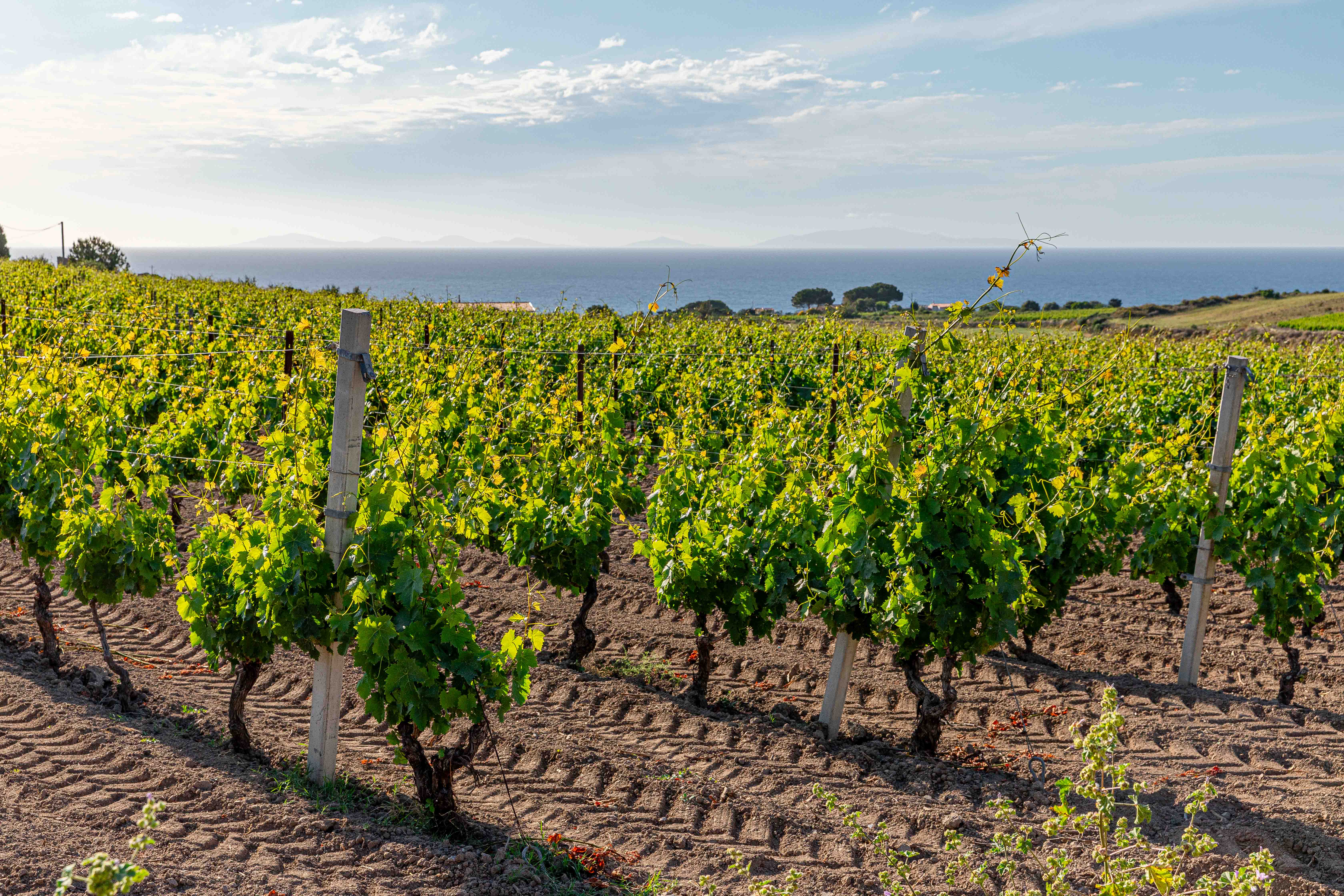
Vermentino, Torbato, Cagnulari: the grapes that grow here and almost nowhere else on earth
Read the article→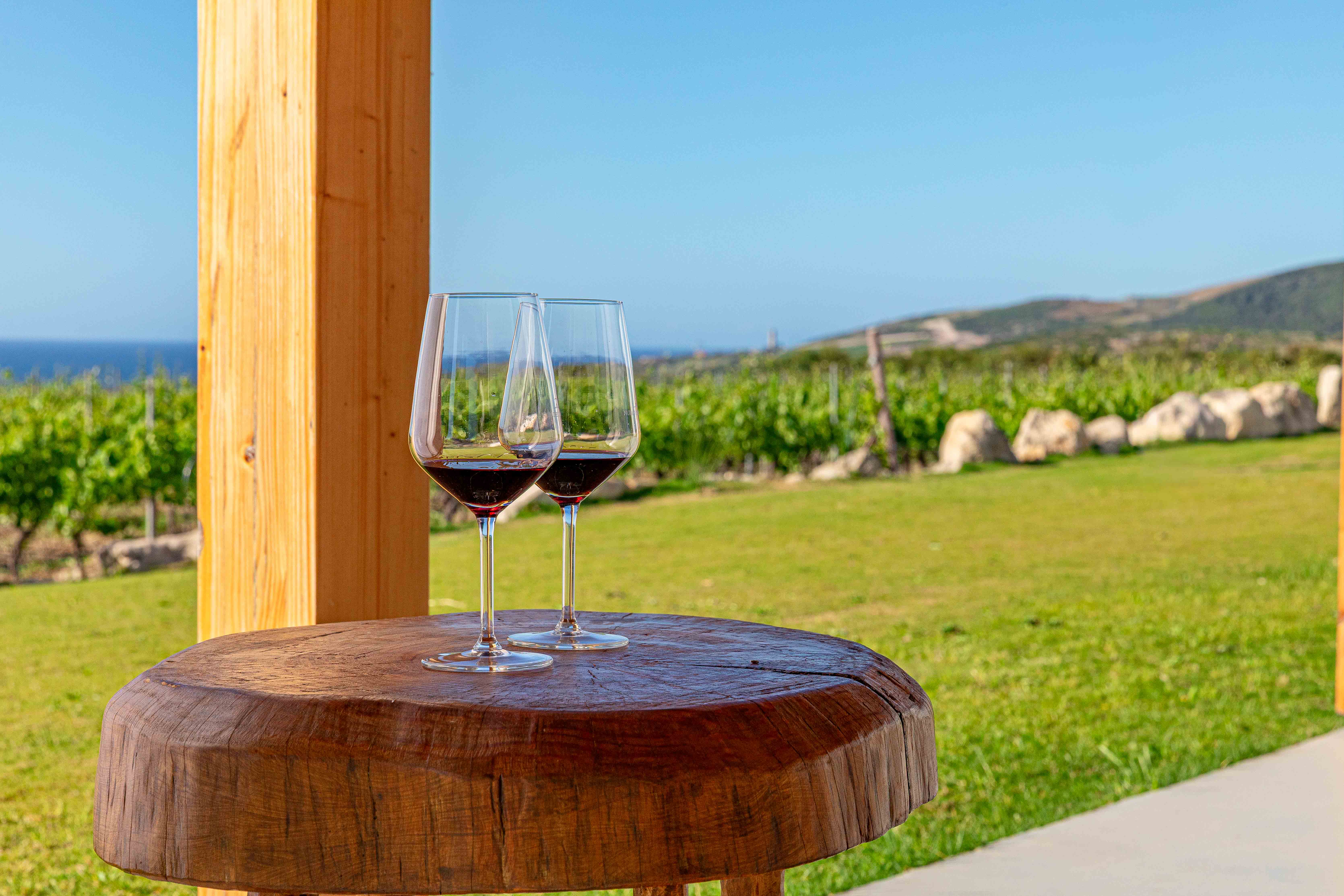
No signposted routes, no walk-ins: wine tasting in Sardinia works differently. How to book it, what to expect, and the problem nobody plans for.
Read the article→We take you directly to the producers, with private transfer included and in small groups.
© 2026 Henosis. Tutti i diritti riservati.
Henosis