
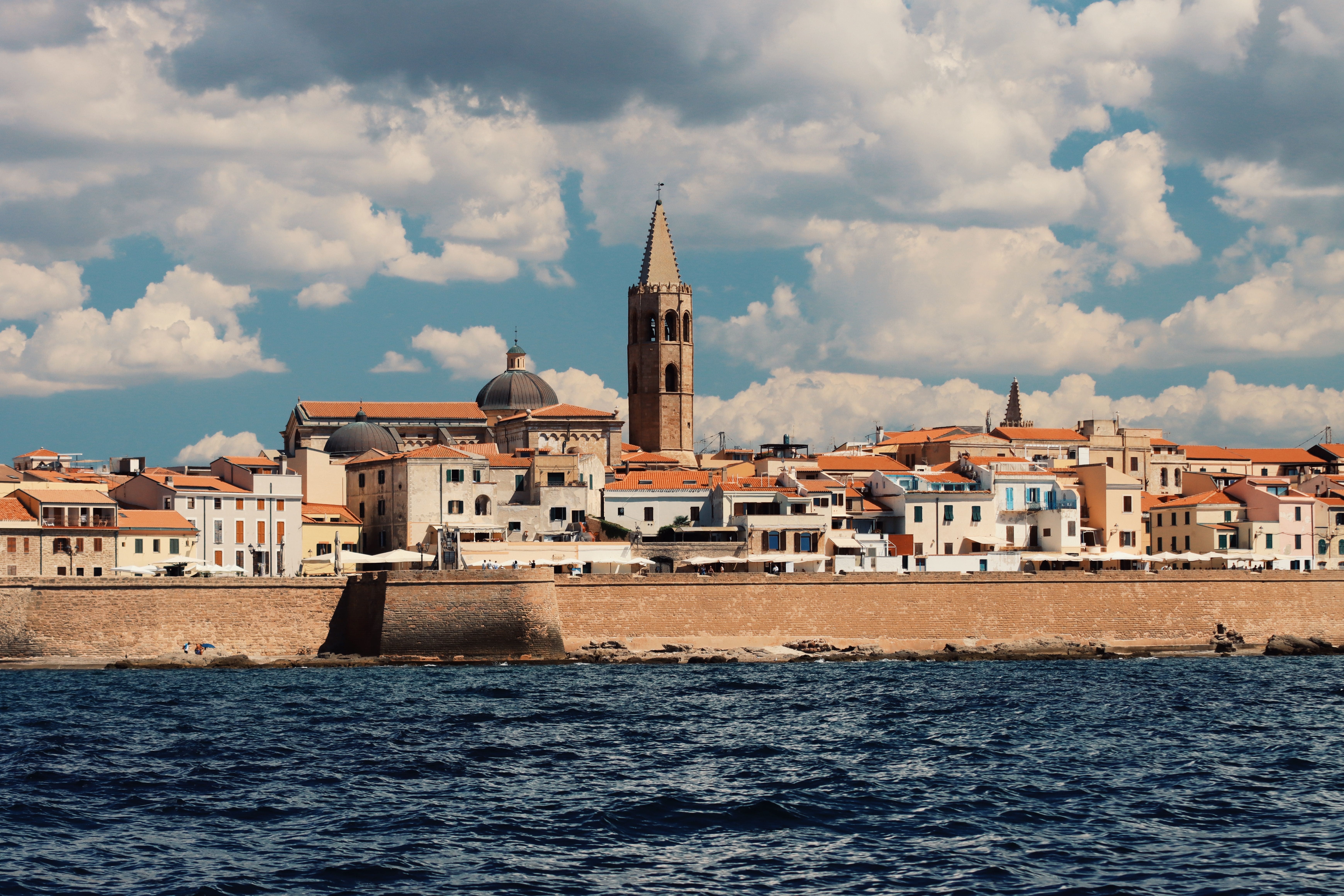
Most people give Alghero an afternoon. They walk the old town, photograph the ramparts at sunset, eat well, and move on. It's a lovely afternoon — and it barely scratches the surface. Alghero rewards the traveller who slows down: three days is enough to see the Catalan old town properly, reach the dramatic coast beyond it, get out into the wine country behind the city, and eat the way this corner of Sardinia is meant to be eaten.
Here's how to spend those three days without rushing and without missing what matters. Adjust it to the season and your own pace — this is a framework, not a timetable.
Alghero sits on Sardinia's north-west coast, on the Riviera del Corallo. It's compact enough to explore on foot, but the best things around it — sea cliffs, beaches, vineyards, hill towns — need a little planning to reach. Three days breaks down naturally: one for the city, one for the coast and sea, one for the country and wine. If you're driving, all of it opens up easily; without a car, focus days one and three around the town and organised experiences.
A note on timing: the old town is at its best in the early morning and the golden hour before sunset, when the light hits the honey-coloured stone and the day-trippers have thinned. Plan around those two windows.
Alghero doesn't feel like the rest of Sardinia, and there's a reason. For centuries this was a Catalan city, repopulated from Catalonia in the fourteenth century, and it never fully let go. You'll still see street signs in Catalan, hear the old language spoken, and taste it in the food. Locals call the town l'Alguer.
Morning. Start inside the walls. Wander the tangle of cobbled lanes without a map — the historic centre is small and getting slightly lost is the point. Find the cathedral of Santa Maria and the bell tower, the little squares, the coral jewellers that gave the Riviera del Corallo its name. Alghero has been a coral town for centuries, and the red coral worked here is still a genuine local craft.
Midday. Eat in the old town. This is the place for your first proper Algherese meal — more on the food below.
Afternoon. Walk the bastioni, the sea ramparts that ring the old town. This is the city's great set piece: honey-stone walls dropping to the water, with the coast stretching away toward Capo Caccia in the distance.
Sunset. Stay on the ramparts or find a spot on the western walls. Alghero faces west, which means the sunset over the sea is a nightly event. Then dinner, slowly.
The coastline north-west of Alghero is the most dramatic in the region, and it's the reason to give the city more than a day.
Morning. Head out to Capo Caccia, the great limestone headland that closes the bay. The cliffs here are spectacular, plunging straight into deep blue sea, and the drive or boat trip out is worth it for the views alone.
The Grotta di Nettuno — Neptune's Grotto. Beneath Capo Caccia lies one of the region's signature sights: a sea cave of stalactites and an underground lake. You can reach it two ways — by boat from Alghero's port, or on foot down the Escala del Cabirol, a long stone staircase cut into the cliff face (hundreds of steps down, and back up). The boat is easier and gives you the coast from the water; the stairway is free and dramatic but demanding. Check current opening times, access and boat schedules before you go — they change with season and sea conditions.
Afternoon. In warm months, spend it on the beach. The coast north of Alghero has some of the area's best — long stretches of pale sand and clear water. Off-season, swap the beach for a coastal walk or a visit toward the Nurra hinterland.
Evening. Back in town for dinner. If you didn't eat seafood on day one, tonight's the night.
Alghero is a wine town, though most visitors never realise it. The plain behind the city — the Nurra — and the hills toward Sassari are covered in vineyards, and this is one of the few places on earth to drink certain wines at their source.
Morning. Get out among the vines. The countryside around Alghero grows Vermentino, Cannonau and, most distinctively, Torbato — a white grape that has all but vanished everywhere else in the world and survives essentially only here. A guided tasting is the best way in: someone who can explain what you're drinking, why this land produces it, and how to taste it properly turns a nice glass into an understanding.
Midday. Long lunch in the country, or back toward town.
Afternoon. Choose your ending. A day trip south down the coast toward Bosa, one of Sardinia's prettiest towns, with its pastel houses stacked above a river. Or the archaeology of the interior — this land is dotted with nuraghi, the mysterious Bronze Age stone towers found only in Sardinia. Or simply a last, slow afternoon back in Alghero, buying coral, drinking a final glass on the ramparts.
Evening. A last dinner. By now you'll have your own favourite spot.
The food here is coastal, Catalan-inflected, and built around the sea. Don't leave without trying:
And a sweet note: look for Catalan-influenced desserts, another echo of the city's history.
Making the three days work
Getting around: the old town is walkable; the coast and wine country are much easier with a car or an organised tour.
Best light: early morning and the hour before sunset in the old town — plan around them.
Neptune's Grotto: always check current opening hours and boat schedules before setting out; access depends on the season and the sea.
When to come: May, June, September and early October give you warm weather without peak-summer crowds. (See our month-by-month guide.)
Book food and tastings ahead in high season — the good places fill up.
The traveller who gives Alghero an afternoon leaves thinking it's a pretty seaside town with good food. The one who gives it three days leaves understanding it — the Catalan streets, the coral, the cliffs at Capo Caccia, the vineyards behind the city, and a white wine you can drink almost nowhere else. That's the difference between seeing Alghero and actually meeting it. Give it the three days. You'll be planning the fourth before you leave.
We'll take you to discover producers and wineries. Private transfer included.
Discover our experiencesYes — three days is ideal. It's enough to explore the Catalan old town, reach the dramatic coast at Capo Caccia and Neptune's Grotto, get out into the wine country behind the city, and eat well, all without rushing.
Its Catalan heritage (it was repopulated from Catalonia and still speaks Catalan), its red coral, the dramatic cliffs of Capo Caccia and Neptune's Grotto, its seafood — especially bottarga and Catalan-style lobster — and its wine, including the rare local white Torbato.
Not for the old town, which is easily walkable. But a car — or organised tours — makes the coast, beaches and wine country far easier to reach, which is where the second and third days go.
May, June, September and early October offer warm weather with fewer crowds than peak summer. July and August are hottest and busiest; winter is quiet and mild but too cool for the beach.
Spaghetti with bottarga, Catalan-style lobster (aragosta alla catalana), sea urchins in season, and fresh seafood generally — paired with local Vermentino or Torbato.
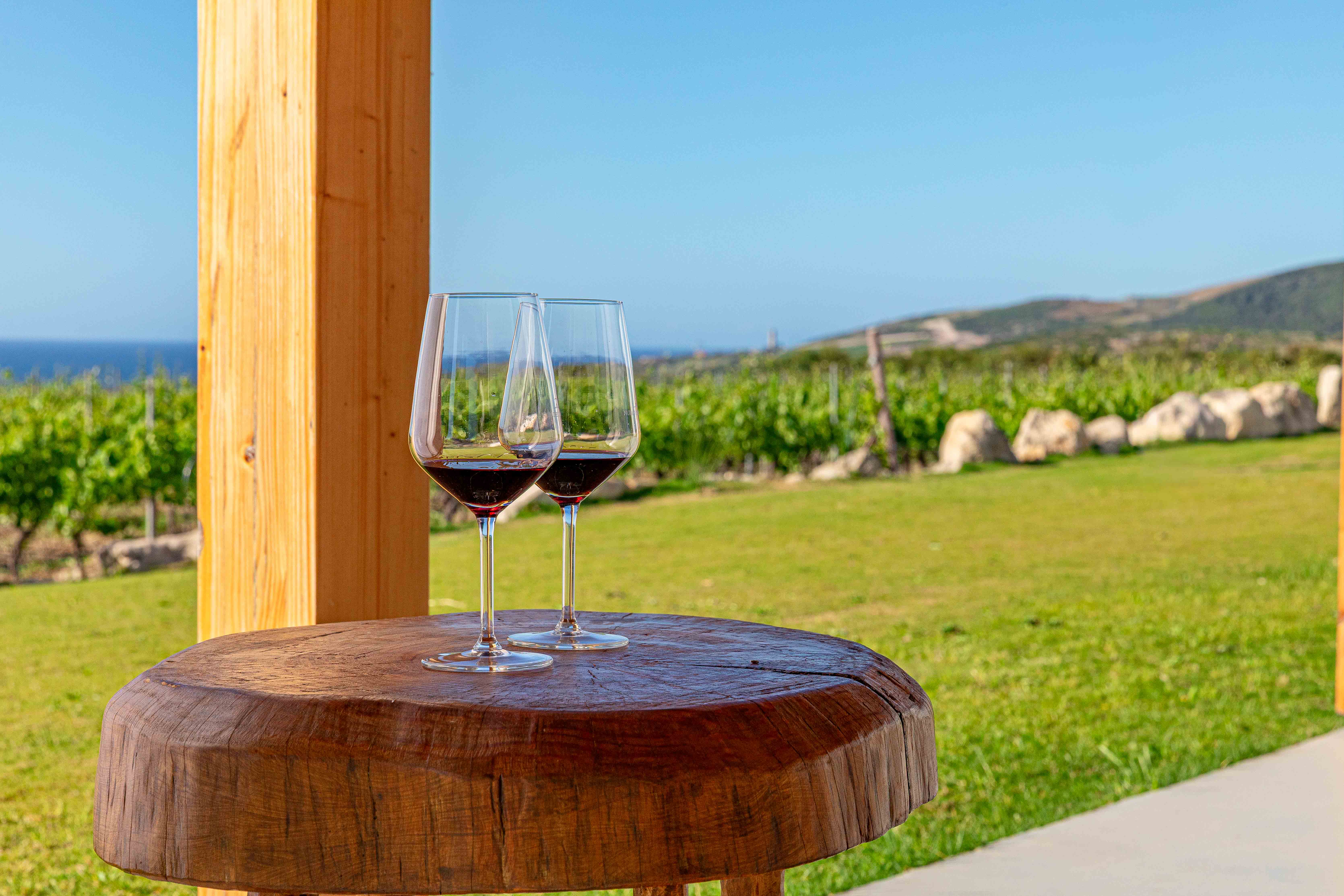
No signposted routes, no walk-ins: wine tasting in Sardinia works differently. How to book it, what to expect, and the problem nobody plans for.
Read the article→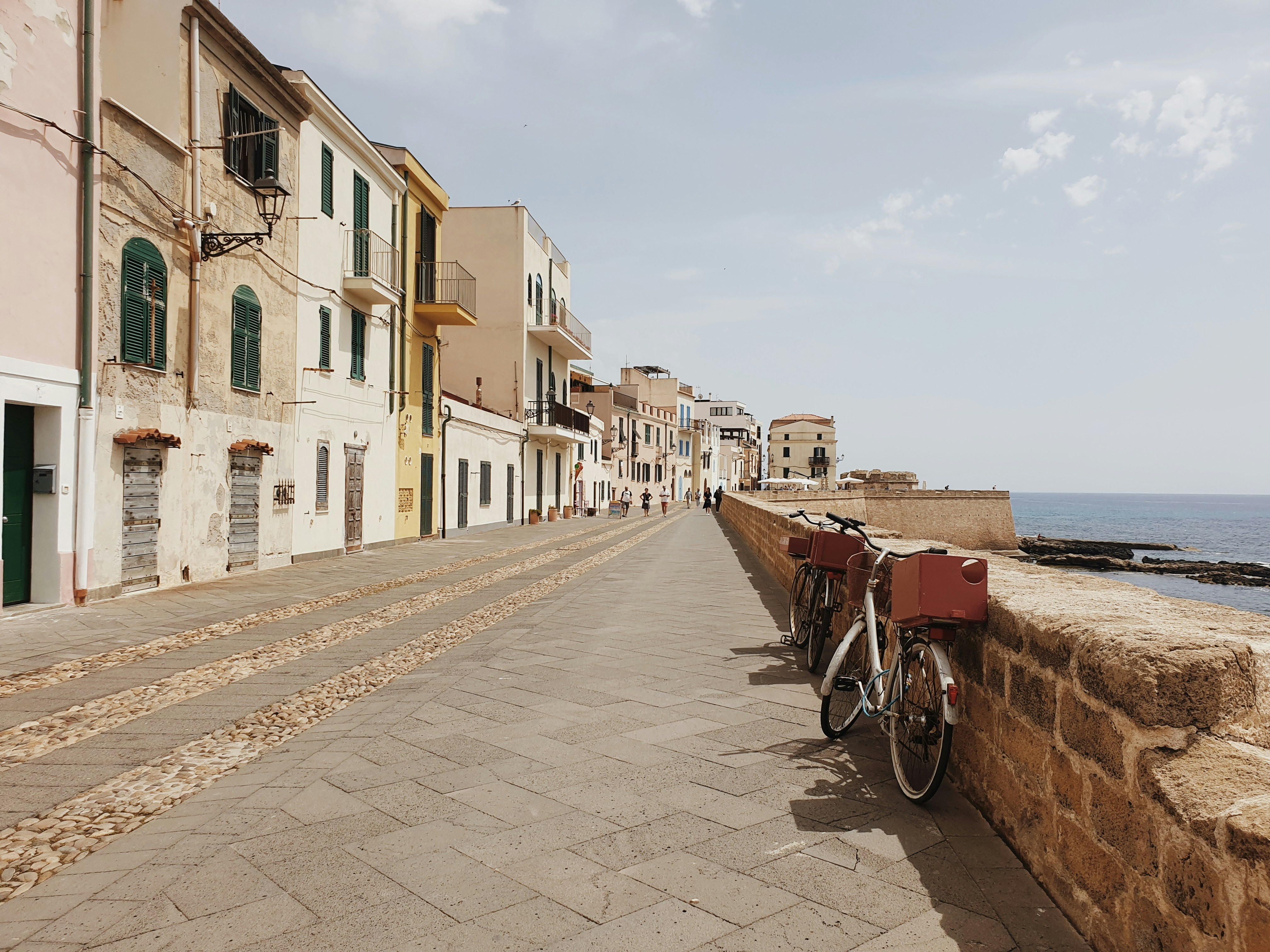
A Catalan old town, Bronze Age towers, sea caves and wine country, all within forty minutes.
Read the article→We take you directly to the producers, with private transfer included and in small groups.
© 2026 Henosis. Tutti i diritti riservati.
Henosis