
IT
|
EN
Ci sono vini che non troverai mai in un supermercato di città. Vini che esistono solo qui, in un fazzoletto di terra tra il mare e le colline del Nord Sardegna, custoditi da famiglie che li producono da generazioni. Vitigni che hanno rischiato di scomparire e che oggi, grazie a pochi viticoltori testardi e innamorati, tornano a raccontare la loro terra. Questo è un viaggio tra i vini autoctoni della Sardegna del Nord: il Vermentino, il Cagnulari, il Moscato di Sorso e gli altri tesori che rendono questo angolo d'isola unico al mondo.
La Sardegna è una delle regioni vitivinicole più affascinanti del Mediterraneo, con oltre 150 vitigni autoctoni censiti. Ma è nel Nord dell'isola — tra le zone della Romangia, della Nurra e del Coros, attorno ad Alghero, Sassari e Sorso — che si concentra una delle più alte densità di varietà rare e identitarie. Qui il vento, il mare e i suoli diversissimi (calcarei, granitici, alluvionali) disegnano vini che cambiano carattere di collina in collina.
Non si può parlare di vini del Nord Sardegna senza partire dal Vermentino, il bianco più amato e diffuso dell'isola. Fresco, sapido, profumato di fiori bianchi e macchia mediterranea, nel Nord Sardegna trova alcune delle sue espressioni più eleganti, con quella nota salmastra che racconta la vicinanza del mare. È il vino dell'ospitalità sarda, quello che si stappa quando arriva un amico.
Se il Vermentino è il re, il Cagnulari è l'eroe ritrovato. Questo vitigno a bacca rossa, antico e profondamente legato alla zona di Usini e della Romangia, ha rischiato seriamente l'estinzione: per decenni è stato quasi dimenticato, vinificato in piccolissime quantità da poche famiglie. Oggi vive una rinascita meritata. Dà un rosso corposo, intenso, dal profumo caratteristico e dal sorso morbido e persistente, perfetto con i formaggi di media stagionatura e gli arrosti di carne. Berlo significa assaggiare un pezzo di storia che per poco non andava perduto.
C'è poi il Moscato di Sorso-Sennori, un vino dolce dal bouquet delicato e speziato, coltivato sulle colline ventilate della Romangia affacciate sul mare — perfetto con i dolci secchi sardi a base di mandorle. E ancora il Torbato, raro vitigno bianco coltivato nella Nurra attorno ad Alghero, e il Cannonau della costa occidentale, qui più morbido e mediterraneo che nelle zone interne. Ogni bottiglia è il ritratto di un microterritorio.
Cosa rende così speciali i vini autoctoni del Nord Sardegna? La risposta non sta solo nell'uva, ma in tutto ciò che la circonda.
Nel Nord-Ovest sardo il vento è protagonista. Incanalandosi nello stretto tra la Sardegna e la Corsica, accarezza costantemente le vigne, asciuga i grappoli, concentra gli aromi e regala ai vini quella freschezza sapida inconfondibile. I suoli cambiano in pochi chilometri — calcare, granito, argilla — e ogni terreno imprime al vino una firma diversa. È per questo che due Vermentini prodotti a pochi chilometri di distanza possono raccontare storie completamente diverse.
Dietro questi vini ci sono soprattutto piccole realtà a conduzione familiare: viticoltori che conoscono ogni filare per nome, che hanno scelto di puntare sull'autenticità invece che sui numeri. Sono loro i veri custodi di questo patrimonio. Visitarli, ascoltare le loro storie, assaggiare il vino direttamente dove nasce: è il modo più vero per capire perché questi vini siano così speciali.
Ed è proprio questo che facciamo con le esperienze Henosis. Ti portiamo nelle cantine selezionate del Nord Sardegna, dai produttori che conosciamo personalmente, con trasporto privato incluso e in piccoli gruppi. Non una semplice degustazione, ma un incontro con le persone e la terra che danno vita a questi vini unici.
There are wines you'll never find on a city supermarket shelf. Wines that exist only here, in a small patch of land between the sea and the hills of North Sardinia, kept alive by families who have been making them for generations. Grape varieties that nearly vanished and that today, thanks to a few stubborn, devoted winemakers, are once again telling the story of their land. This is a journey through the native wines of North Sardinia: Vermentino, Cagnulari, Moscato di Sorso and the other treasures that make this corner of the island unique in the world.
Sardinia is one of the most fascinating wine regions in the Mediterranean, with more than 150 native grape varieties recorded. But it's in the north of the island — across the areas of Romangia, Nurra and Coros, around Alghero, Sassari and Sorso — that one of the highest concentrations of rare and identity-rich varieties is found. Here the wind, the sea and the wildly varied soils (limestone, granite, alluvial) shape wines that change character from one hill to the next.
You can't talk about the wines of North Sardinia without starting with Vermentino, the island's most beloved and widespread white. Fresh, savoury, scented with white flowers and Mediterranean scrub, in North Sardinia it finds some of its most elegant expressions, with that salty note that speaks of the nearby sea. It's the wine of Sardinian hospitality, the one you uncork when a friend arrives.
If Vermentino is the king, Cagnulari is the rediscovered hero. This red grape variety, ancient and deeply tied to the area of Usini and Romangia, came seriously close to extinction: for decades it was almost forgotten, vinified in tiny quantities by just a few families. Today it's enjoying a well-deserved revival. It produces a full-bodied, intense red with a characteristic aroma and a soft, lingering taste, perfect with medium-aged cheeses and roasted meats. Drinking it means tasting a piece of history that was very nearly lost.
Then there's Moscato di Sorso-Sennori, a sweet wine with a delicate, spiced bouquet, grown on the windy hills of Romangia overlooking the sea — perfect with dry Sardinian almond pastries. And there's Torbato, a rare white variety grown in the Nurra area around Alghero, and the Cannonau of the western coast, here softer and more Mediterranean than in the inland zones. Every bottle is the portrait of a micro-territory.
What makes the native wines of North Sardinia so special? The answer lies not just in the grapes, but in everything around them.
In north-western Sardinia, the wind is the protagonist. Funnelling through the strait between Sardinia and Corsica, it constantly caresses the vines, dries the grapes, concentrates the aromas and gives the wines that unmistakable savoury freshness. The soils change within a few kilometres — limestone, granite, clay — and each terrain leaves its signature on the wine. That's why two Vermentinos made just a few kilometres apart can tell completely different stories.
Behind these wines are mostly small, family-run operations: winemakers who know every row by name, who chose authenticity over volume. They are the true keepers of this heritage. Visiting them, listening to their stories, tasting the wine right where it's born: it's the truest way to understand why these wines are so special.
And that's exactly what we do with Henosis experiences. We take you to selected wineries in North Sardinia, to producers we know personally, with private transport included and in small groups. Not a simple tasting, but an encounter with the people and the land that give life to these unique wines.
Ti portiamo a scoprire produttori e cantine. Trasporto privato incluso.
Scopri le esperienze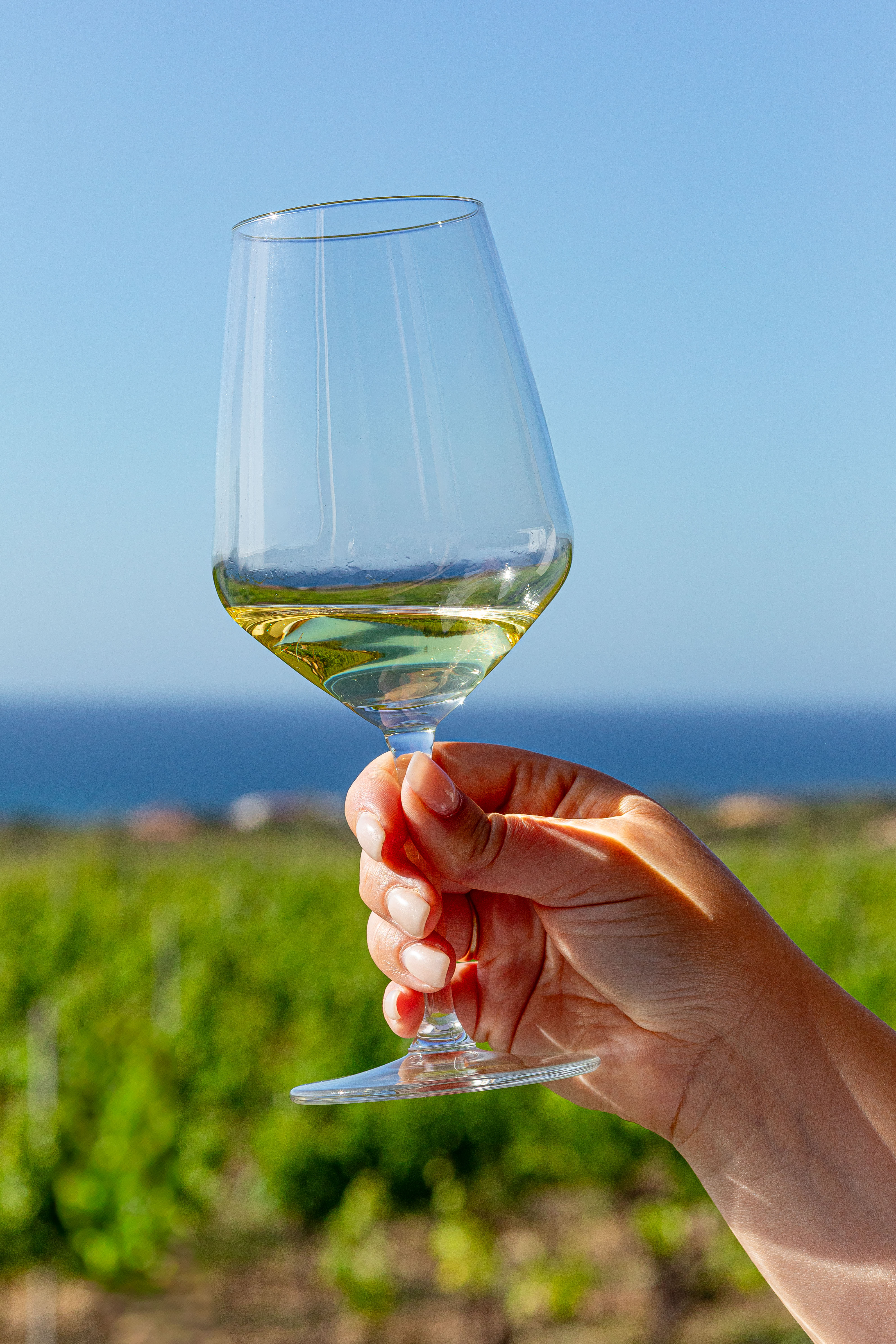
Il bianco più amato dell'isola, dalla vigna al bicchiere
Leggi l'articolo →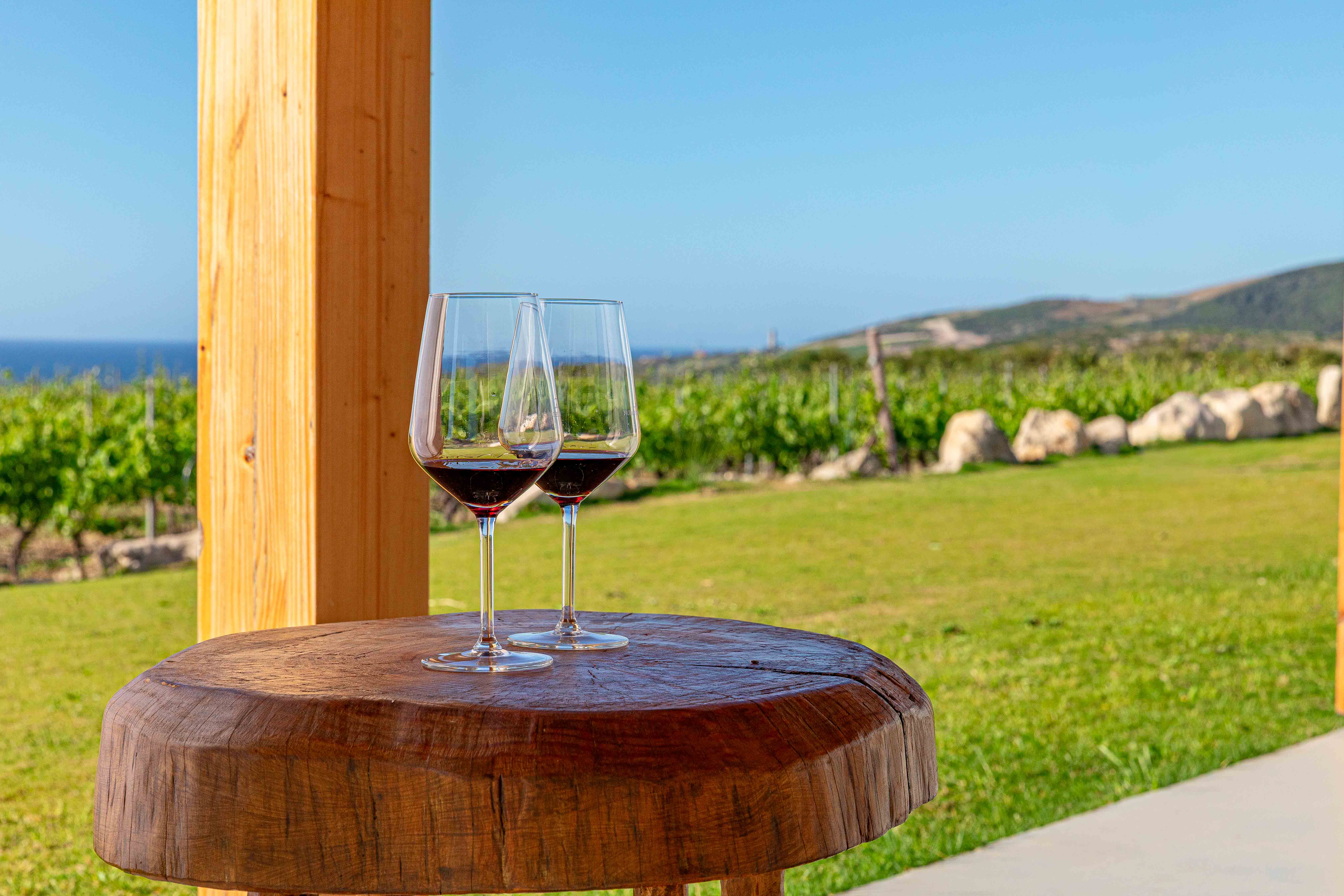
La Sardegna non è solo spiagge, ecco le varie bellezze di Alghero
Leggi l'articolo →Ti portiamo noi dai produttori, con trasporto privato incluso e per piccoli gruppi.
© 2026 Henosis. Tutti i diritti riservati.